


Modernizacja starszego systemu nigdy nie jest zadaniem czysto technicznym. To decyzja strategiczna, która bezpośrednio wpływa na źródła przychodów, odporność operacyjną, zgodność z przepisami i długoterminową zdolność do innowacji. W Grupie SKM współpracujemy z osobami decyzyjnymi, które każdego dnia odczuwają ciężar starzejących się systemów, ale nie są pewne, co zmodernizować w pierwszej kolejności w starszym systemie, nie narażając firmy na ryzyko.
Zanim cokolwiek zmodernizujesz, potrzebujesz jasności. Wiele organizacji pospiesznie rozpoczyna modernizację z niejasnymi celami, takimi jak „przejście do chmury” czy „wymiana starego systemu”, by odkryć, że prawdziwe problemy nigdy nie zostały rozwiązane. W Grupie SKM zaczynamy od zawężenia zakresu i zdefiniowania modernizacji w precyzyjnych, mierzalnych kategoriach.
Modernizacja nie oznacza przeprojektowania wszystkiego. Oznacza celową zmianę tych części systemu, które generują największe ryzyko biznesowe lub największe obciążenie operacyjne. Zrozumienie tego rozróżnienia jest kluczowe przy planowaniu modernizacji starszych aplikacji .
System legacy nie jest definiowany wyłącznie przez wiek. Niektóre systemy zbudowane dwadzieścia lat temu wciąż przewyższają nowsze platformy pod względem stabilności i niezawodności. Tym, co czyni system „tradycyjnym”, jest jego niezdolność do adaptacji do współczesnych wymagań biznesowych i technologicznych.
Z naszego doświadczenia wynika, że system staje się przestarzały, gdy:
W architekturach korporacyjnych starsze systemy często stanowią rdzeń operacji. Zarządzają zamówieniami, klientami, fakturowaniem czy logistyką. Ta centralna pozycja sprawia, że są one potężne, ale i niebezpieczne. Każda zmiana musi być starannie zaplanowana, dlatego priorytetyzacja starszych komponentów systemu jest o wiele ważniejsza niż szybkość modernizacji.
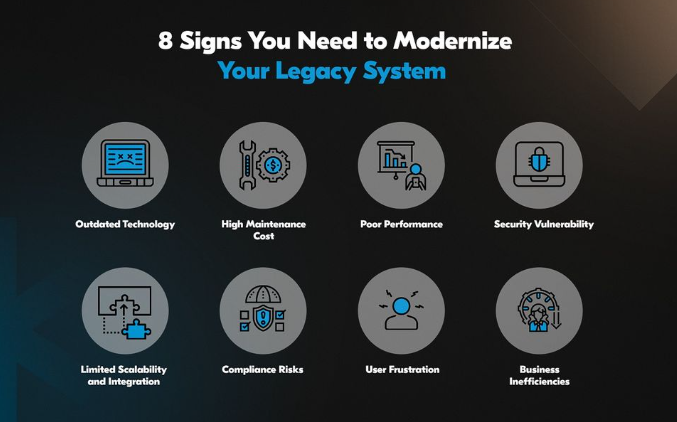
Dług techniczny to nie abstrakcyjny termin inżynierski. To zobowiązanie biznesowe. Każde obejście, skrót czy odroczona refaktoryzacja generują odsetki, które ostatecznie spłacasz w postaci wolniejszych wydań, wyższej awaryjności i rosnących kosztów utrzymania.
Gdy dług techniczny osiąga poziom krytyczny, skalowalność spada. Możesz zobaczyć:
W Grupie SKM traktujemy dług techniczny jako wiodący wskaźnik modernizacji. Obszary o wysokim zadłużeniu często są pierwszymi kandydatami w każdym systemie oceny starszych systemów , ponieważ ograniczają one możliwość reagowania na zmiany rynkowe.
Nie wszystkie starsze komponenty niosą ze sobą takie samo ryzyko. Niektóre zawodzą głośno, inne po cichu – często z dużo poważniejszymi konsekwencjami. Komponenty wysokiego ryzyka to te, których awaria natychmiast zakłóciłaby działalność firmy lub naraziłaby organizację na szkody prawne lub utratę reputacji.
Komponenty te zazwyczaj obejmują silniki przetwarzania transakcji, logikę tożsamości i dostępu, moduły obliczeń finansowych oraz mechanizmy synchronizacji danych. Zagrożenie tkwi nie tylko w awariach, ale także w nieprzewidywalności. Systemy, które zachowują się niespójnie pod obciążeniem lub w skrajnych przypadkach, podważają zaufanie w całej organizacji.
W wielu programach modernizacyjnych, w Grupie SKM, rozpoczynamy od szczegółowej analizy ryzyka, aby określić, które komponenty stanowią największe ryzyko operacyjne. Ten krok bezpośrednio wpływa na priorytety modernizacji starszego oprogramowania .
Jednym z najczęstszych błędów, jakie widzimy, jest traktowanie wszystkich starszych modułów na równi. W rzeczywistości niektóre moduły są krytyczne dla biznesu, a inne są po prostu niewygodne.
Moduły o znaczeniu krytycznym dla biznesu:
Moduły niekrytyczne mogą być przestarzałe, nieefektywne lub uciążliwe – ale ich awaria nie hamuje działalności. Modernizacja modułów niekrytycznych w pierwszej kolejności może wydawać się bezpieczniejsza, ale rzadko przynosi wymierne korzyści biznesowe.
Strategiczna modernizacja zawsze zaczyna się od tego, co jest najważniejsze dla firmy. Ta zasada leży u podstaw każdego planu modernizacji starszych systemów, który opracowujemy.
Skoncentruj się na wynikach biznesowych, podczas gdy my zarządzamy dostawą outsourcing IT.
Starsze systemy rzadko istnieją w izolacji. Są one ściśle powiązanymi sieciami zależności – modułów wewnętrznych, bibliotek zewnętrznych, zewnętrznych dostawców i odbiorców końcowych. Ignorowanie tych zależności to jeden z najszybszych sposobów na zakłócenie modernizacji.
Komponenty o dużej zależności często nie nadają się do wczesnej wymiany. Są jednak doskonałymi kandydatami do izolacji. Zmniejszając sprzężenie i wprowadzając jasne granice, zapewniasz przyszłą elastyczność bez natychmiastowych zakłóceń.
Zdyscyplinowana analiza zależności pozwala na stopniową modernizację, zamiast podejmowania ryzykownych transformacji typu „wielki wybuch”. To podejście stanowi fundament dla ustrukturyzowanych faz modernizacji starszych systemów .
Inicjatywa modernizacyjna bez formalnych ram oceny to zgadywanie. Decyzje podejmowane intuicyjnie lub pod presją rzadko wytrzymują kontakt z systemami produkcyjnymi. W Grupie SKM opieramy się na ustrukturyzowanym systemie oceny starszych systemów , który łączy rzeczywistość techniczną z priorytetami biznesowymi.
Ocena nie polega na sporządzaniu długich raportów. Chodzi o budowanie wspólnego zrozumienia między kierownictwem, IT i interesariuszami.
Niska jakość kodu to nie tylko niedogodność inżynierska. Ma ona bezpośredni wpływ na szybkość dostarczania, przewidywalność i kontrolę kosztów. Systemy o niskiej łatwości utrzymania wymagają większego nakładu pracy przy każdej zmianie, co wydłuża zarówno czas realizacji, jak i zwiększa ryzyko.
Szukamy znaków takich jak:
Gdy utrzymywalność spada poniżej pewnego progu, modernizacja staje się koniecznością, a nie opcją. Ta refleksja często zmienia decyzję, co należy zmodernizować w pierwszej kolejności w starszym systemie .
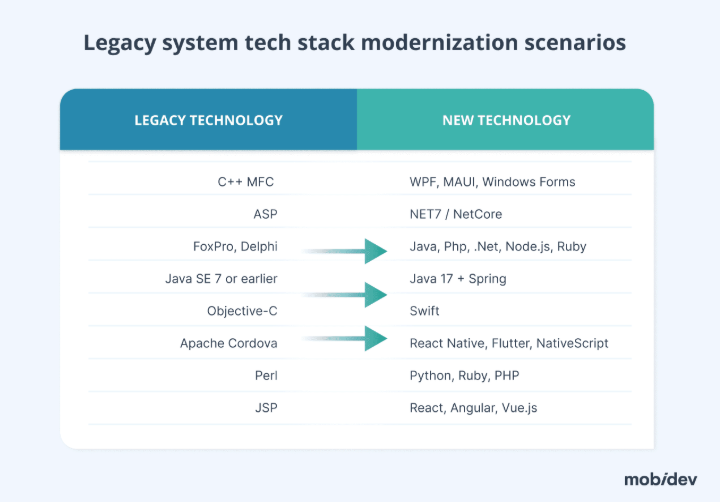
Wybór technologii starzeje się w różny sposób. Niektóre stosy ewoluują łagodnie, inne stają się przestarzałe niemal z dnia na dzień. Nieobsługiwane frameworki, przestarzałe środowiska uruchomieniowe i platformy zależne od dostawcy stwarzają ukryte ryzyko operacyjne.
Przestarzałość architektury objawia się jako:
Priorytety modernizacji muszą odzwierciedlać te realia. Wymiana przestarzałego stosu często przynosi korzyści w zakresie wydajności, bezpieczeństwa i skalowalności.
Problemy z wydajnością nie zawsze są widoczne dla kierownictwa, dopóki klienci nie złożą skargi. Do tego czasu szkody są już wyrządzone. Starsze systemy często ukrywają wąskie gardła w nieoczekiwanych miejscach – zadaniach wsadowych, zapytaniach do bazy danych czy integracjach synchronicznych.
Ocena wydajności koncentruje się na przepustowości, opóźnieniach i trybach awarii pod obciążeniem. Komponenty, które szybko ulegają degradacji w okresach szczytowego zapotrzebowania, są idealnymi kandydatami do wczesnej modernizacji, ponieważ mają bezpośredni wpływ na zadowolenie klienta i ochronę przychodów.
Bezpieczeństwo jest jednym z najsilniejszych czynników wpływających na pilną potrzebę modernizacji. Starsze systemy często opierają się na przestarzałym szyfrowaniu, nieobsługiwanych bibliotekach lub zakodowanych na stałe danych uwierzytelniających. Te słabości zwiększają ryzyko naruszeń bezpieczeństwa i zgodności.
Z punktu widzenia biznesu modernizacja ukierunkowana na bezpieczeństwo ogranicza:
Względy bezpieczeństwa często biorą górę nad innymi kryteriami priorytetyzacji, zwłaszcza w regulowanych branżach.
Presja regulacyjna jest często ostatecznym impulsem wymuszającym modernizację. Starsze systemy mają problemy z identyfikowalnością, audytowalnością i raportowaniem. Ręczne kontrole z czasem stają się kosztowne i zawodne.
System, który nie jest w stanie skutecznie udowodnić zgodności, staje się obciążeniem. Wczesna modernizacja komponentów wrażliwych na zgodność zmniejsza długoterminowe ryzyko prawne i operacyjne oraz stabilizuje zarządzanie.
Modernizacja rzadko odbywa się na jednej warstwie. Każda warstwa stosu aplikacji niesie ze sobą inne ryzyko i możliwości. Zrozumienie tych różnic pomoże Ci uniknąć kosmetycznych zmian, które nie przynoszą dużej wartości.
W Grupie SKM dokonujemy całościowej oceny stosu i selektywnie go modernizujemy.
Modernizacja front-endu często przynosi szybkie i widoczne korzyści. Poprawa użyteczności, dostępności i responsywności może znacząco zwiększyć zadowolenie klientów i pracowników.
Jednak same zmiany w interfejsie użytkownika rzadko rozwiązują problemy strukturalne. Powinny być one zgodne z głębszymi usprawnieniami architektonicznymi, aby uniknąć tworzenia nowoczesnego interfejsu na bazie niestabilnej logiki.
Dostosuj technologię do strategii, korzystając z pomocy ekspertów usługi informatyczne.
Warstwa logiki biznesowej to miejsce, w którym kryje się prawdziwa wartość. Koduje ona reguły, przepływy pracy i decyzje, które wyróżniają Twoją organizację. Niestety, ta warstwa jest często najbardziej zagmatwana i najmniej udokumentowana.
Izolacja i refaktoryzacja logiki biznesowej zmniejsza ryzyko i tworzy podwaliny pod przyszłe innowacje. Ten krok jest kluczowy dla zrównoważonego planowania modernizacji starszych aplikacji .
Dane to najcenniejszy zasób w każdym systemie. Starsze bazy danych często cierpią z powodu słabego schematu, ścisłego powiązania i ograniczeń skalowalności.
Modernizacja warstwy danych wymaga ostrożności i precyzji. Prawidłowo przeprowadzona, umożliwia lepszą analitykę, lepszą wydajność i bezpieczniejsze integracje.
Włączanie API przekształca monolityczne systemy w platformy. Udostępniając usługi w kontrolowany sposób, odblokowujesz integrację z partnerami, aplikacjami mobilnymi i nowoczesnymi narzędziami.
Ten etap często przynosi dużą wartość strategiczną przy stosunkowo niewielkich zakłóceniach, dlatego też jest często uznawany za priorytet na wczesnym etapie.
Modernizacja infrastruktury wspiera wszystkie inne aspekty. Przestarzałe środowiska hostingowe ograniczają automatyzację, odporność i skalowalność.
Platformy chmurowe i hybrydowe umożliwiają stopniową modernizację, lepszą kontrolę kosztów i sprawniejsze odzyskiwanie danych po awarii — bez konieczności natychmiastowego przepisywania aplikacji.
Priorytety modernizacji zależą od kombinacji czynników takich jak presja biznesowa, ryzyko techniczne i zamierzenia strategiczne.
W Grupie SKM stale obserwujemy wyłanianie się najsilniejszych czynników napędowych:
Każdy z tych czynników ma bezpośredni wpływ na obronną strategię modernizacji, a nie na decyzje podejmowane doraźnie.
Gdy zrozumiesz, co należy zmodernizować w pierwszej kolejności, zaczyna się prawdziwe wyzwanie: dopasowanie decyzji modernizacyjnych do strategii biznesowej. To właśnie w tym momencie wiele inicjatyw traci impet. Zmiany technologiczne następują szybciej niż gotowość organizacji, a bez wyraźnego powiązania modernizacja staje się rozdrobniona.
W Grupie SKM traktujemy planowanie modernizacji starszych aplikacji jako dyscyplinę strategiczną, a nie projekt techniczny. Modernizację należy traktować jako długoterminową inwestycję, która wspiera rozwój, odporność i przewidywalność. Oznacza to, że każda decyzja musi jasno odpowiadać na jedno pytanie: w jaki sposób pomoże Ci to lepiej zarządzać firmą jutro niż dziś?
Strategiczne dopasowanie zaczyna się od powiązania celów modernizacji z wynikami biznesowymi, takimi jak krótszy czas wprowadzania produktów na rynek, niższe ryzyko operacyjne czy lepsza obsługa klienta. Kiedy kierownictwo rozumie, dlaczego dany komponent jest modernizowany jako pierwszy, podejmowanie decyzji staje się szybsze, a opór maleje. Ta jasność jest niezbędna, gdy pojawiają się kompromisy, a one zawsze się pojawiają.
Modernizacja odnosi sukces, gdy przebiega zgodnie z dyscypliną. Przypadkowe ulepszenia generują techniczny szum, a nie postęp. Poniżej przedstawiamy, jak zazwyczaj organizujemy etapy modernizacji w Grupie SKM, utrzymując ryzyko pod kontrolą i widoczną wartość na każdym etapie.
Odkrywanie to kwestia widoczności. Nie da się zmodernizować czegoś, czego się w pełni nie rozumie. Ta faza koncentruje się na stworzeniu niezawodnego spisu aplikacji, modułów, integracji, przepływów danych i zależności operacyjnych.
Dla Ciebie, jako osoby decyzyjnej, ta faza zapewnia przejrzystość. Ujawnia ukrytą złożoność, zduplikowane funkcjonalności i pojedyncze punkty awarii, które często pozostają niezauważone przez lata. Odkrywanie określa również realistyczne oczekiwania dotyczące harmonogramów, kosztów i ograniczeń.
Gdy krajobraz stanie się widoczny, ryzyko staje się mierzalne. Mapowanie zależności ujawnia, jak ściśle powiązane są komponenty i gdzie zmiany mogą wywołać kaskadowe awarie.
Ta faza bezpośrednio wpływa na priorytetyzację komponentów starszego systemu . Zależności wysokiego ryzyka i niskiej widoczności są często najbardziej niebezpiecznymi elementami starszego środowiska. Wczesne ich rozwiązanie zmniejsza ryzyko zakłóceń w działalności w przyszłości.
Na tym etapie modernizacja przestaje być abstrakcyjna. Każdy komponent otrzymuje jasną decyzję: refaktoryzacja, zmiana platformy, wymiana, izolacja lub wycofanie.
Planowanie na poziomie komponentów gwarantuje, że modernizacja jest stopniowa i odwracalna. Pozwala uniknąć ryzyka „wszystko albo nic” i zamiast tego buduje pewność siebie poprzez kontrolowany postęp. To fundament niezawodnej mapy drogowej modernizacji starszych systemów .
Realizacja zaczyna się tutaj, ale pozostaje przemyślana. Zmiany wprowadzane są małymi, testowalnymi krokami. Systemy nadal działają, podczas gdy wprowadzane są w nich ulepszenia.
Przyrostowe refaktoryzowanie chroni przychody i operacje. Pozwala zespołom uczyć się i adaptować bez narażania firmy na niepotrzebne ryzyko.
Modernizacja bez walidacji to hazard. Każda zmiana musi zostać zweryfikowana nie tylko technicznie, ale i operacyjnie. Wydajność, bezpieczeństwo i integralność danych są ponownie testowane w warunkach rzeczywistych.
Ten etap jest często niedoceniany, a jednak ma kluczowe znaczenie dla zaufania. Stabilne systemy odbudowują zaufanie wśród interesariuszy, którzy mogli od początku podchodzić sceptycznie do modernizacji.
Prawdziwa modernizacja kończy się na demontażu. Starsze komponenty, które nie są już potrzebne, muszą zostać w czysty sposób wycofane z eksploatacji, aby obniżyć koszty i złożoność.
Wycofanie z eksploatacji to sposób na osiągnięcie długoterminowych oszczędności. Mniej systemów oznacza mniej ryzyka, mniejsze nakłady na konserwację i bardziej przejrzystą odpowiedzialność.
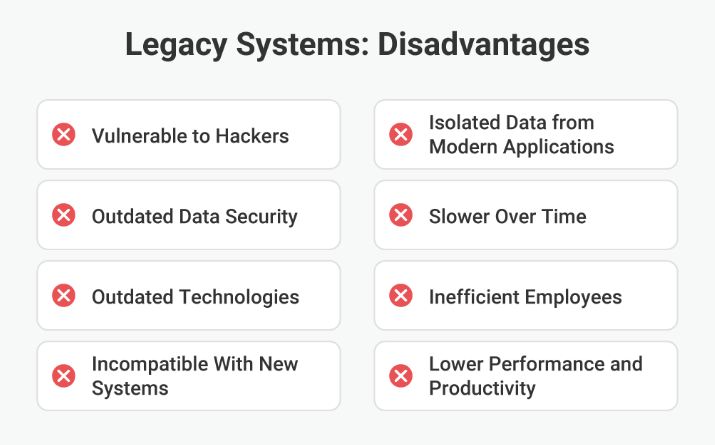
Nawet przy solidnym planie, wyzwania są nieuniknione. Tradycyjne środowiska z natury opierają się zmianom. Przez lata w Grupie SKM konsekwentnie obserwujemy niewielką liczbę powtarzających się problemów.
Jednym z najczęstszych wyzwań jest nieudokumentowane zachowanie. Starsze systemy często „działają”, a nikt w pełni nie rozumie, dlaczego. Innym jest zależność organizacji od kluczowych osób posiadających kluczową wiedzę o systemie. Istnieje również wyzwanie związane ze zmianami równoległymi – modernizacja konkuruje z bieżącymi wymaganiami biznesowymi.
Te wyzwania utwierdzają nas w przekonaniu, że modernizacja musi być ustrukturyzowana, stopniowa i zgodna z priorytetami kierownictwa. Bez tej dyscypliny złożoność techniczna szybko przeradza się w tarcia organizacyjne.
Usprawnij procesy i zredukuj pracę ręczną dzięki tworzenie oprogramowania na zamówienie.
Modernizacja jest możliwa dzięki narzędziom, ale nigdy nie jest przez nie napędzana. Narzędzia wspierają strategię, a nie ją zastępują.
W udanych programach widzimy konsekwentne stosowanie technik, które ograniczają ryzyko i zwiększają przejrzystość:
Każda z tych technik pozwala na szybsze uzyskiwanie informacji zwrotnej i podejmowanie bezpieczniejszych decyzji, co jest niezwykle istotne przy modernizacji systemów o znaczeniu krytycznym dla przedsiębiorstwa.
Mapa drogowa przekształca intencje w realizację. Bez niej modernizacja pozostaje jedynie teorią. Dobrze zaprojektowana mapa drogowa modernizacji systemów starszego typu równoważy ambicje z realizmem i dostosowuje się do rozwoju organizacji.
Definiowanie architektury docelowej i wizji stanu końcowego
Potrzebujesz jasnego obrazu tego, dokąd zmierzasz, nawet jeśli nie znasz jeszcze każdego kroku. Architektura docelowa definiuje zasady, a nie sztywne projekty. Odpowiada na pytanie, jak systemy będą się komunikować, skalować i ewoluować w czasie.
Dzięki tej wizji doraźne rozwiązania nie stwarzają długoterminowych problemów.
Modele priorytetyzacji dla starszych komponentów
Priorytetyzacja musi być powtarzalna i możliwa do obrony. Komponenty są oceniane na podstawie wpływu na biznes, ryzyka, kosztów i znaczenia strategicznego.
Podejście to gwarantuje, że decyzje modernizacyjne pozostaną spójne, nawet jeśli zmieni się kierownictwo lub warunki rynkowe.
Zgodność planu działania ze strategią biznesową i IT
Plan działania, który ignoruje cykle biznesowe, zawiedzie. Kamienie milowe modernizacji muszą być zgodne z wprowadzaniem produktów na rynek, terminami regulacyjnymi i szczytami operacyjnymi.
Wyrównanie gwarantuje, że modernizacja wspiera biznes, zamiast z nim konkurować.
Łagodzenie ryzyka i planowanie wycofywania
Każdy etap modernizacji powinien być odwracalny. Plany wycofania nie są oznaką słabości, lecz dojrzałości.
Przejrzyste strategie wycofywania zmian chronią firmę i dają zespołom pewność, że mogą zdecydowanie iść naprzód.
Pomiar postępów i kluczowych wskaźników efektywności modernizacji
Czego nie mierzysz, tym nie możesz zarządzać. Postęp należy monitorować za pomocą wskaźników istotnych dla firmy: częstotliwości wdrożeń, wskaźników incydentów, wskaźników awaryjności zmian i trendów kosztów operacyjnych.
Wskaźniki te pokazują, czy modernizacja przynosi realne korzyści.
Ramy zarządzania i podejmowania decyzji
Zarządzanie zapewnia koncentrację modernizacji. Jasna odpowiedzialność, ścieżki eskalacji i kryteria decyzyjne zapobiegają dryfowi i impasom politycznym.
Silne zarządzanie często stanowi różnicę między modernizacją, która się kończy, a modernizacją, która stoi w miejscu.
Modernizacja starszych technologii nie polega na zastępowaniu ich bez powodu. Chodzi o ochronę firmy i jednoczesne stworzenie przestrzeni do rozwoju. Modernizacja niewłaściwych komponentów to strata czasu, pieniędzy i zaufania.
Kiedy skupiasz się na tym, co należy zmodernizować w pierwszej kolejności w starszym systemie , kierując się ustrukturyzowaną oceną i jasnym planem działania, modernizacja staje się kontrolowaną transformacją, a nie ryzykownym eksperymentem. W Grupie SKM pomagamy Ci podejmować te decyzje z pewnością siebie, jasnością i mierzalnymi rezultatami.
Co należy zmodernizować w pierwszej kolejności w starszym systemie?
Należy zmodernizować te komponenty, które stwarzają największe ryzyko biznesowe, ograniczają skalowalność lub narażają organizację na zagrożenia bezpieczeństwa i zgodności.
Jak skutecznie ustalać priorytety dla komponentów starszego systemu?
Skuteczne ustalanie priorytetów uwzględnia wpływ na działalność biznesową, ryzyko techniczne, złożoność zależności i istotność strategiczną przy użyciu spójnego modelu oceny.
Czym jest plan modernizacji starszych systemów?
Jest to ustrukturyzowany plan określający cele modernizacji, priorytety, fazy, harmonogramy i zasady zarządzania od oceny do wycofania ze służby.
Jakie są główne fazy modernizacji starszych systemów?
Główne fazy obejmują odkrywanie, ocenę ryzyka, planowanie komponentów, stopniową modernizację, walidację i wycofywanie z eksploatacji.
Ile czasu zazwyczaj zajmuje modernizacja starszych aplikacji?
Harmonogramy mogą się znacznie różnić, jednak większość programów dla przedsiębiorstw trwa miesiące lub lata, w zależności od złożoności systemu i ograniczeń biznesowych.
Jakie ryzyka wiążą się z modernizacją starszych systemów?
Do zagrożeń zaliczają się zakłócenia w działalności operacyjnej, problemy z integralnością danych, ukryte zależności i opór organizacji, ale można sobie z nimi poradzić, stosując odpowiednią strategię i model realizacji.

Effective prioritization combines business impact, technical risk, dependency complexity, and strategic relevance using a consistent evaluation model.
It is a structured plan that defines modernization goals, priorities, phases, timelines, and governance from assessment through decommissioning.
Discovery, risk assessment, component planning, incremental modernization, validation, and decommissioning form the core phases.
You should modernize components that create the highest business risk, limit scalability, or expose the organization to security and compliance threats.


W naszym zespole Dominik Bigosiński odpowiada za strategiczne wykorzystanie treści do wspierania rozwoju firm online. Jako ekspert w tej dziedzinie, od 2018 roku współpracował z organizacjami ze Stanów Zjednoczonych, Wielkiej Brytanii, Norwegii i Polski, przyczyniając się do rozwoju ponad 100 blogów i wspierając ponad 450 marek B2B oraz sklepów e-commerce na całym świecie. Jego pasja do świadomego rozwoju i filozofii znajduje odzwierciedlenie w pracy, gdzie stawia na przemyślane, zorientowane na odbiorcę strategie, które przynoszą długofalowe rezultaty.
Zmień przestarzałe oprogramowanie w nowoczesne i wydajne narzędzie. Zobacz nasze podejście.
Zobacz więcejWiedza strategiczna o technologiach, tworzeniu oprogramowania i cyfrowym rozwoju

W Grupie SKM spędzamy dużo czasu rozmawiając z decydentami, którzy czują presję modernizacji tylko dlatego, że ich systemy są stare. Wiek nie jest jednak argumentem technicznym.
Modernizacja starszego systemu nigdy nie jest zadaniem czysto technicznym. To decyzja strategiczna, która bezpośrednio wpływa na Twoje źródła przychodów, odporność operacyjną, zgodność z przepisami i długoterminową zdolność do innowacji.

Modernizacja systemów starszych nie jest projektem technologicznym. To inicjatywa mająca na celu przetrwanie firmy, podszywająca się pod prace inżynieryjne. W Grupie SKM postrzegamy transformację systemów starszych jako kontrolowaną likwidację ryzyka

Modernizacja starszego oprogramowania jest często przedstawiana jako prosta droga od ograniczeń technicznych do wolności cyfrowej. W rzeczywistości jest to jedno z najbardziej złożonych działań transformacyjnych, jakie organizacja może podjąć.

Gdy Twoje oprogramowanie jest intuicyjne, płynne i naprawdę przyjemne w obsłudze, wzrasta zainteresowanie nim, koszty wsparcia spadają, a reputacja Twojej marki umacnia się z każdym kliknięciem.

Zarządzanie oprogramowaniem to dziś nie tylko posiadanie odpowiednich narzędzi – to także ich efektywne, zgodne z prawem i strategiczne wykorzystanie. W erze, w której w ekosystemach IT dominują subskrypcje chmurowe, modele SaaS i wdrożenia hybrydowe

Doskonale wiesz, że dane są krwiobiegiem Twojego biznesu. Jednak sposób ich przechowywania, zarządzania i dostępu może albo przyspieszyć rozwój firmy, albo dyskretnie go hamować.

Porównaj 5 podejść do modernizacji systemów legacy - od rehostingu po pełną przebudowę. Wyeliminuj uzależnienie od dostawcy (vendor lock-in) i zredukuj dług technologiczny o 50% bez przestojów.

Oprogramowanie legacy to nie tylko „stary kod”. To krytyczna część Twojej firmy, która z czasem staje się coraz bardziej krucha. Często tworzone na zamówienie i kiedyś najnowocześniejsze, Twoje starsze systemy prawdopodobnie zawierają lata wiedzy.

Współczesny biznes opiera się na oprogramowaniu. Ale jeśli Twoje operacje nadal opierają się na systemach sprzed dziesięcioleci, prawdopodobnie odczuwasz ten opór. W SKM Group pracowaliśmy z niezliczoną liczbą firm zmagających się ze starszym softem

Modernizacja starszego oprogramowania odnosi się do procesu aktualizacji, ulepszania lub całkowitej transformacji przestarzałych systemów oprogramowania - często określanych jako starsze oprogramowanie - w celu spełnienia obecnych standardów.

Migracja do chmury odnosi się do przenoszenia aplikacji, danych i innych jednostek biznesowych ze środowiska lokalnego do środowiska w chmurze. Może mieć miejsce w chmurach publicznych, prywatnych lub hybrydowych w zależności od konkretnych potrzeb b

Jeśli prowadzisz firmę w erze cyfrowej, zapewne słyszałeś o modernizacji przestarzałego oprogramowania. Ale co to tak naprawdę oznacza i dlaczego jest dziś tak gorącym tematem w świecie technologii?
%20(1).avif)
W dynamicznie zmieniającym się świecie technologii firmy stają przed wyzwaniem, jakim jest integracja systemów legacy z nowoczesnymi rozwiązaniami, aby zachować elastyczność operacyjną i bezpieczeństwo


Komentarze