


Modernizacja starszego oprogramowania jest często przedstawiana jako prosta droga od ograniczeń technicznych do wolności cyfrowej. W rzeczywistości jest to jedno z najbardziej złożonych działań transformacyjnych, jakie organizacja może podjąć. W Grupie SKM postrzegamy inicjatywy modernizacyjne nie jako ulepszenia techniczne, ale jako głębokie operacje operacyjne przeprowadzane na żywych systemach biznesowych. Kiedy te projekty się nie udają, rzadko kończą się one porażką z powodu jednej błędnej decyzji. Upadają z powodu łańcucha drobnych, niedocenianych problemów, które z czasem po cichu się narastają.
Modernizacja starszego oprogramowania nie polega na zastępowaniu starego kodu nowym. Chodzi o transformację systemu, który rozwijał się wraz z Twoją firmą, wchłaniał lata decyzji, skrótów, przepisów i obejść, a teraz po cichu rządzi funkcjonowaniem Twojej organizacji. Zrozumienie natury starszych systemów to pierwszy krok do uniknięcia problemów z modernizacją oprogramowania .
System legacy nie jest definiowany wyłącznie przez wiek. Niektóre systemy zbudowane dwadzieścia lat temu są stabilne i dobrze utrzymane, podczas gdy inne stają się kruche w ciągu pięciu lat. W środowiskach korporacyjnych system staje się „przestarzały”, gdy aktywnie ogranicza możliwości rozwoju.
Dzieje się tak zazwyczaj, gdy:
Z naszej perspektywy w Grupie SKM, starsze oprogramowanie to takie, które dyktuje możliwości biznesowe, zamiast je umożliwiać. Kiedy technologia zaczyna kształtować strategię zamiast ją wspierać, modernizacja staje się nieunikniona.
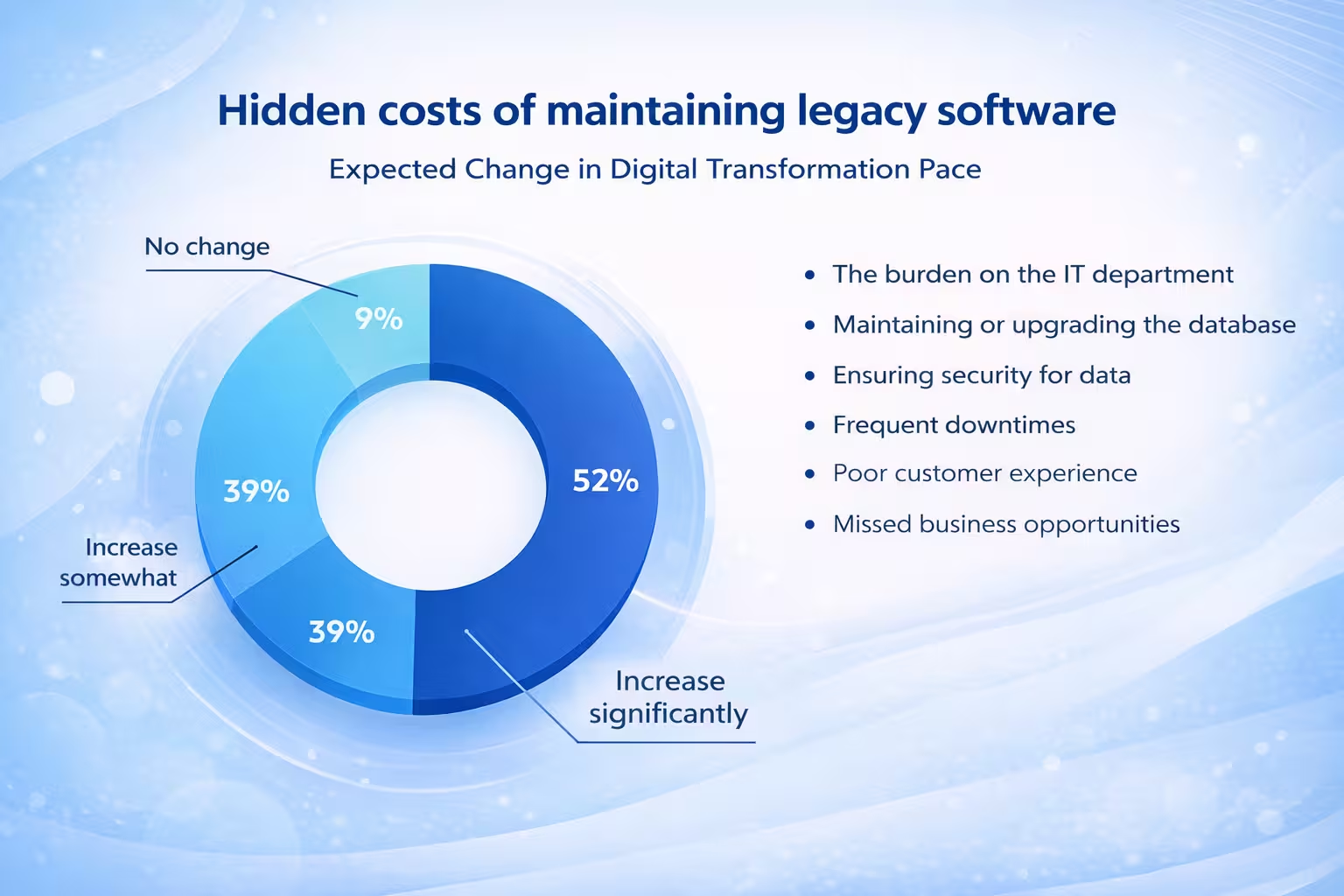
Większość starszych systemów została zaprojektowana z myślą o innym świecie. Powstały w czasach, gdy skalowalność oznaczała zakup większego serwera, a nie dodawanie pojemności chmury w kilka minut. Oczekiwania dotyczące bezpieczeństwa były niższe. Integracja często oznaczała transfer plików lub współdzielone bazy danych.
Z biegiem czasu w tych systemach narastają sztywne ograniczenia architektoniczne. Widać ściśle powiązane komponenty, zakodowane na stałe reguły biznesowe i założenia infrastrukturalne głęboko osadzone w bazie kodu. Każde nowe wymaganie zwiększa obciążenie, utrudniając migrację systemu. To właśnie tutaj ryzyko związane z modernizacją starszych systemów po cichu rośnie, na długo przed formalnym rozpoczęciem jakiegokolwiek projektu.
Jednym z najczęstszych błędów na wczesnym etapie jest niezrozumienie, dlaczego w ogóle zachodzi modernizacja. Liderzy biznesu zazwyczaj dążą do modernizacji ze względu na szybkość, redukcję kosztów lub presję konkurencji. Zespoły techniczne natomiast postrzegają modernizację jako sposób na redukcję złożoności, eliminację przestarzałych narzędzi lub poprawę łatwości utrzymania.
Problemy zaczynają się, gdy te czynniki nie są spójne. Jeśli modernizacja jest traktowana wyłącznie jako techniczne porządki, nie przyniesie wymiernej wartości biznesowej. Jeśli jest traktowana wyłącznie jako inicjatywa biznesowa, realia techniczne zostaną zignorowane. Ta niezgodność jest cichym czynnikiem przyczyniającym się do niepowodzeń wielu analizowanych przez nas projektów modernizacji starszych systemów .
Skoncentruj się na rozwoju swojego biznesu, podczas gdy my zajmiemy się technologią z niezawodnym outsourcingiem IT.
Starsze systemy rzadko stają się skomplikowane przez przypadek. Złożoność rośnie jako racjonalna odpowiedź na krótkoterminowe potrzeby. Nowe funkcje są szybko dodawane, aby sprostać wymaganiom rynku. Tymczasowe poprawki stają się trwałe. Integracje są tworzone pod presją.
Każda decyzja ma sens w oderwaniu od innych. Razem tworzą system, który traci jasną strukturę. Zależności się mnożą. Efekty uboczne pojawiają się w nieoczekiwanych miejscach. W pewnym momencie nawet drobne zmiany wymagają tygodni analiz. Wtedy modernizacja staje się pilna – ale i niebezpieczna.
Dług techniczny jest często błędnie rozumiany jako zły kod. W rzeczywistości jest on wynikiem opóźnionych decyzji. Za każdym razem, gdy Twoja organizacja stawia na szybkość zamiast struktury, zaciąga niewielką pożyczkę na przyszłość.
Z biegiem lat dług ten narasta. Dokumentacja staje się nieaktualna. Zasięg testów maleje. Pierwotni architekci odchodzą. System wciąż działa, ale nikt do końca nie rozumie dlaczego. Kiedy modernizacja rozpoczyna się w takich warunkach, zespoły stają w obliczu nie tylko wyzwań technicznych, ale także utraty pamięci instytucjonalnej. To czynnik decydujący o wielu nieudanych projektach modernizacji starszych systemów .
Projekty modernizacyjne rzadko kończą się fiaskiem już na etapie realizacji. Dochodzi do nich znacznie wcześniej, na etapie planowania i formułowania założeń. W Grupie SKM często obserwujemy powtarzające się te same przyczyny w różnych branżach.
Wiele organizacji nie docenia, jak wiele wiedzy tkwi w nieudokumentowanych zachowaniach. Starsze systemy często zawierają reguły biznesowe, których nie ma nigdzie indziej. Wraz z odejściem kluczowych osób, ta wiedza znika.
Podczas modernizacji brak dokumentacji zmusza zespoły do inżynierii wstecznej zachowań pod presją. To spowalnia realizację projektu, zwiększa ryzyko i wywołuje napięcia między interesariuszami. Jest to jedno z najbardziej niedocenianych ryzyk związanych z modernizacją starszych systemów .
Starsze systemy rzadko są autonomiczne. Komunikują się z innymi systemami, dostawcami, raportami i procesami ręcznymi. Niektóre integracje są oczywiste. Inne pozostają niewidoczne, dopóki coś się nie zepsuje.
Niedocenianie tych zależności prowadzi do nieoczekiwanych awarii, niespójności danych i oporu użytkowników. Wiele typowych błędów w modernizacji starszych systemów wynika z przekonania, że granice systemu są mniejsze, niż są w rzeczywistości.
Inicjatywy modernizacyjne są często zatwierdzane z napiętymi harmonogramami, aby zabezpieczyć finansowanie. Złożoność jest uznawana, ale nie w pełni uwzględniana w cenach. Kiedy rzeczywistość dogania, zespoły są zmuszone do pójścia na łatwiznę.
Prowadzi to do pośpiesznych migracji, ograniczonego testowania i opóźnionego minimalizowania ryzyka. Z perspektywy biznesowej to właśnie tutaj tracimy zaufanie. Z perspektywy technicznej to właśnie tutaj mnożą się problemy z modernizacją starszego oprogramowania .
Jeśli wskaźniki sukcesu są niejasne, zespoły optymalizują je pod kątem niewłaściwych rezultatów. Zespoły techniczne mogą koncentrować się na jakości kodu, podczas gdy liderzy biznesowi oczekują szybszego dostarczania funkcji. Bez wspólnych celów każde opóźnienie wydaje się porażką.
Ta rozbieżność jest subtelna, ale potężna. Sprawia, że modernizacja staje się problemem politycznym, a nie strategicznym, zwiększając prawdopodobieństwo niepowodzenia dotychczasowych projektów modernizacyjnych .
Decyzje dotyczące modernizacji wpływają na użytkowników, operacje, zgodność z przepisami i klientów. Gdy kluczowi interesariusze nie są zaangażowani na wczesnym etapie, decyzje podejmowane są na podstawie założeń, a nie rzeczywistości.
Często prowadzi to do oporu, przeróbek i zmian zakresu na późnym etapie projektu. W tym momencie zaufanie jest już nadszarpnięte.
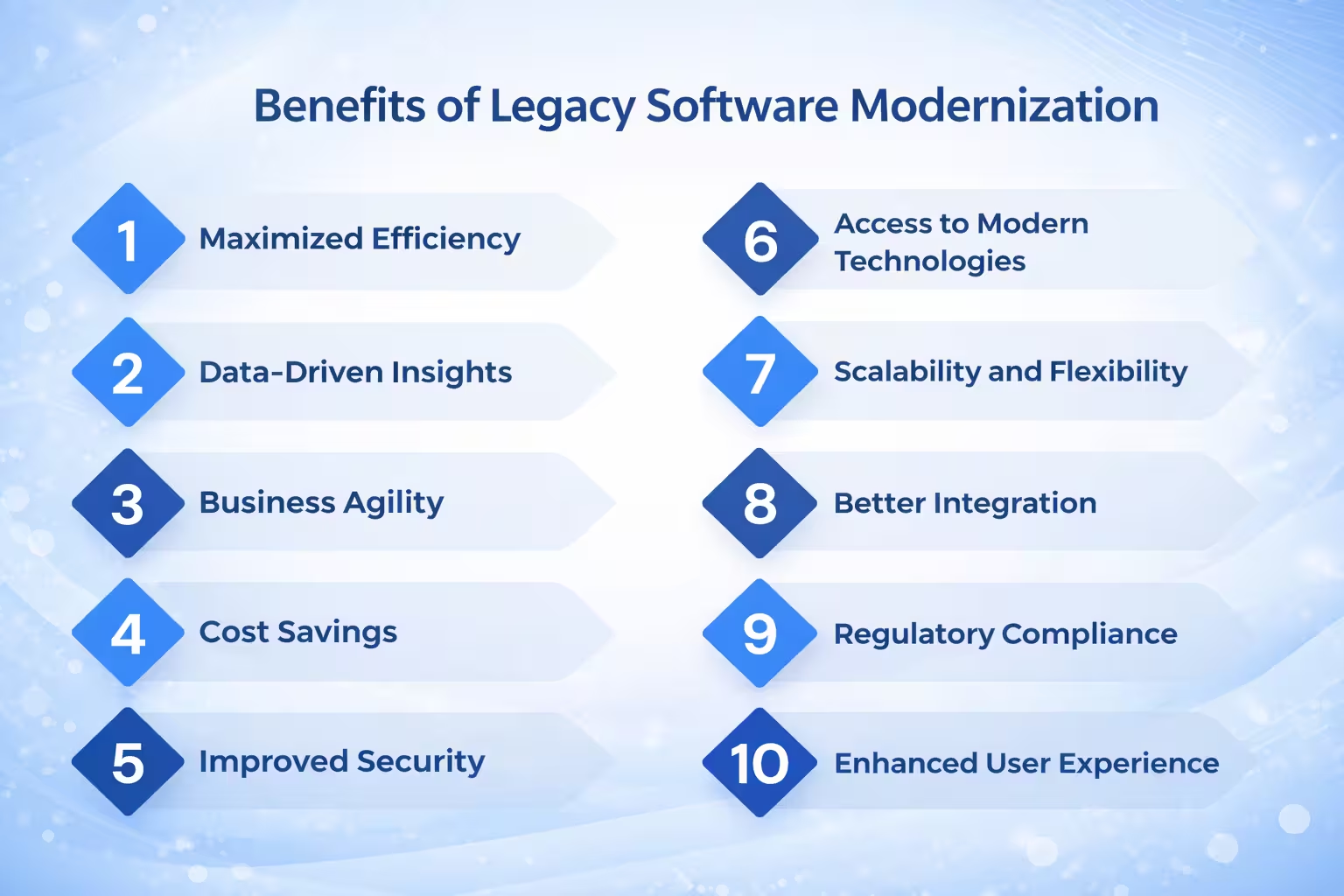
Nawet przy dobrych intencjach i silnym przywództwie, wiele inicjatyw modernizacyjnych upada na poziomie architektury. To właśnie tam abstrakcyjne plany napotykają na twarde ograniczenia techniczne.
Wiele starszych systemów jest zbudowanych jako duże monolity, w których wszystko zależy od wszystkiego innego. Zmiana jednej części grozi uszkodzeniem innej. Skalowanie wymaga skalowania całego systemu.
Kiedy organizacje próbują zmodernizować takie systemy bez jasnej strategii dekompozycji, po prostu odtwarzają ten sam problem, używając nowszych narzędzi. To klasyczny przykład, dlaczego modernizacja starszych systemów kończy się fiaskiem pomimo znacznych inwestycji.
W starszych architekturach reguły biznesowe są często ściśle powiązane z konkretnymi serwerami, bazami danych lub narzędziami innych firm. To powiązanie niezwykle utrudnia migrację do chmury, skalowalność i odporność.
Bez celowego odłączenia modernizacja staje się zmianą powierzchowną. System wygląda nowocześnie, ale zachowuje się jak w przeszłości.
Niektóre starsze systemy opierają się na technologiach, które nie są już powszechnie wspierane. Stwarza to problemy z rekrutacją, zagrożenia bezpieczeństwa i bariery integracyjne.
Jednak zastąpienie języka bez usunięcia wad architektonicznych jedynie przesuwa problem. Wybór języka rzadko jest przyczyną, ale często staje się widocznym objawem głębszych problemów.
Modele danych często odzwierciedlają założenia biznesowe sprzed dekad. Pola są przeciążone. Relacje są niejawne. Logika raportowania jest osadzona w kodzie aplikacji.
Działania modernizacyjne, które ignorują architekturę danych, zazwyczaj kończą się niepowodzeniem podczas migracji lub krótko po uruchomieniu. Dane to źródło prawdy biznesowej, a niewłaściwe zarządzanie nimi prowadzi bezpośrednio do niepowodzenia projektów modernizacji starszych systemów .
Starsze systemy nie zostały zaprojektowane z myślą o dzisiejszych standardach użytkowania. Mają problemy ze skokami obciążenia, analizą w czasie rzeczywistym i dostępem globalnym.
Modernizacja bez uwzględnienia tych ograniczeń prowadzi do powstania systemów, które nadal nie są w stanie wspierać wzrostu. W takim przypadku modernizacja staje się kosztem utraconym, a nie strategicznym sukcesem.
Do najważniejszych wzorców awarii, które regularnie obserwujemy w ramach inicjatyw modernizacyjnych, należą:
Przekształć swoje pomysły w potężne rozwiązania cyfrowe dzięki dostosowanym rozwiązaniom tworzenie oprogramowania na zamówienie.
Każda modernizacja niesie ze sobą ryzyko, ale przestarzałe systemy potęgują niepewność, ponieważ dobrze ją ukrywają. W SKM Group stale obserwujemy, jak organizacje koncentrują się na widocznych ryzykach – przekroczeniach kosztów, harmonogramach, wyborze dostawców – jednocześnie ignorując głębsze zagrożenia strukturalne, które po cichu podważają inicjatywę od wewnątrz.
Jednym z najpoważniejszych ryzyk związanych z modernizacją starszych systemów jest założenie, że ryzyko można całkowicie wyeliminować poprzez planowanie. To niemożliwe. Ryzyko musi być stale zarządzane, mierzone i ograniczane poprzez wczesne podejmowanie decyzji technicznych. Jeśli organizacje nie zidentyfikują na początku kruchości architektury, niejednoznaczności w zakresie własności danych lub zależności operacyjnych, ryzyka te ujawniają się później – gdy zmiany są kosztowne, a szkody wizerunkowe realne.
Kolejnym wczesnym ryzykiem jest nadmierna pewność siebie wynikająca z częściowego sukcesu. Pomyślna modernizacja jednego modułu może stworzyć fałszywe poczucie pędu. Decydenci mogą naciskać na przyspieszenie realizacji planu, nie zdając sobie sprawy, że najbardziej złożone części są jeszcze przed nimi. W ten sposób dobrze pomyślane inicjatywy, pomimo początkowych sukcesów, kończą się fiaskiem starszych projektów modernizacyjnych .
Dane to najbardziej niedoceniany aspekt modernizacji systemów starszych generacji. Kod można przepisać. Infrastrukturę można wymienić. Dane niosą jednak ze sobą prawdę historyczną, zobowiązania regulacyjne i ciągłość operacyjną. Niewłaściwe zarządzanie danymi prowadzi do natychmiastowej utraty zaufania.
Starsze systemy często zawierają niespójne schematy, nieudokumentowane transformacje i osadzone reguły biznesowe ukryte w procedurach składowanych lub zadaniach wsadowych. Podczas modernizacji zespoły często odkrywają, że dane oznaczają różne rzeczy dla różnych części organizacji. To, co wygląda na prostą migrację, staje się negocjacją dotyczącą rzeczywistości.
Problemy z integracją pogłębiają ten problem. Starsze systemy są często głęboko osadzone w ekosystemie narzędzi do raportowania, partnerów zewnętrznych i ręcznych przepływów pracy. Wymiana systemu bez pełnego zrozumienia tych powiązań prowadzi do ukrytych awarii – raporty przestają być spójne, systemy niższego rzędu zachowują się nieprzewidywalnie, a użytkownicy tracą zaufanie. Są to klasyczne problemy z modernizacją starszego oprogramowania , które ujawniają się dopiero po uruchomieniu, kiedy odzyskiwanie jest najtrudniejsze.
Wdrożenie inżynieryjne to miejsce, gdzie strategia spotyka się z rzeczywistością. Nawet przy silnym przywództwie i finansowaniu, błędne decyzje techniczne mogą zniweczyć wysiłki modernizacyjne. Wiele z tych błędów nie wynika z braku umiejętności, ale z presji i nieadekwatnych bodźców.
Całkowite przepisanie często wywołuje emocje. Obiecuje czystą kartę i wolność od błędów z przeszłości. W praktyce jest to jedna z najbardziej ryzykownych ścieżek, jakie można wybrać. Przepisanie odrzuca zgromadzoną wiedzę i wymaga ponownej weryfikacji każdej reguły biznesowej.
Z drugiej strony, refaktoryzacja może wydawać się powolna i niesatysfakcjonująca. Wymaga dyscypliny i cierpliwości. Wybór niewłaściwej strategii – lub zmiana strategii w trakcie projektu – to jeden z najpoważniejszych błędów w modernizacji starszych systemów, jakie obserwujemy.
Wydajność, dostępność, bezpieczeństwo i zgodność są często traktowane jako kwestie drugorzędne. Zespoły koncentrują się na parzystości funkcji i ulepszeniach wizualnych, zakładając, że wady niefunkcjonalne można naprawić później.
Później rzadko nadchodzi. Systemy uruchamiają się pod obciążeniem, ulegają awarii w środowisku produkcyjnym lub naruszają wymogi zgodności. W tym momencie dług techniczny jest już odbudowywany w nowym systemie.
Testowanie starszych systemów jest trudne, ale modernizacja bez testów to zgadywanie. Bez zautomatyzowanych testów regresyjnych zespoły nie mogą udowodnić, że nowe zachowanie jest zgodne ze starym.
To rodzi strach. Strach spowalnia dostawy. W końcu presja wymusza ryzykowne wydania. Ten schemat powtarza się wielokrotnie w nieudanych projektach modernizacji starszych modeli w różnych branżach.
Starsze systemy często ewoluowały, zanim pojawiły się nowoczesne standardy bezpieczeństwa. Podczas modernizacji konieczne jest ponowne przeanalizowanie założeń dotyczących uwierzytelniania, autoryzacji i ochrony danych.
Gdy bezpieczeństwo jest traktowane drugorzędnie, działania naprawcze stają się kosztowne i uciążliwe. Co gorsza, naruszenia przepisów mogą całkowicie wstrzymać projekty.
Modernizacja to eksperymentowanie na dużą skalę. Bez planu wycofania, każde wydanie staje się hazardem. Organizacje, które odnoszą sukces, traktują wycofanie jako wymóg, a nie ewentualność.
Usprawnij przepływy pracy i przyspiesz innowacje dzięki kompleksowemu rozwiązaniu usługi informatyczne.
Modernizacja nie eliminuje automatycznie długu technicznego. W wielu przypadkach jedynie go przenosi. Gdy terminy ulegają skróceniu, zespoły odtwarzają skróty w nowych systemach.
To jedna z najtrudniejszych do zaakceptowania prawd: modernizacja to nie reset. To negocjacja między przeszłymi ograniczeniami a przyszłymi celami. Jeśli dług nie jest świadomie zarządzany, pojawia się ponownie – czasami szybciej niż wcześniej. Właśnie dlatego wyzwania związane z modernizacją przestarzałego oprogramowania utrzymują się nawet po poniesieniu znacznych inwestycji.
Analizując nieudane projekty modernizacji starszych rozwiązań , wyłaniają się wzorce wykraczające poza technologię. Porażka rzadko jest spowodowana pojedynczą złą decyzją. Jest spowodowana kumulacją unikania.
Organizacje unikają trudnych rozmów o zakresie. Unikają konfrontacji z konfliktami dotyczącymi własności danych. Unikają przyznania, że niektóre systemy kodują przestarzałe modele biznesowe.
Najważniejsza lekcja jest taka: modernizacja obnaża prawdę organizacyjną. Systemy zawodzą tam, gdzie zawodzi komunikacja. Architektura pęka tam, gdzie strategia jest niejasna. Technologia po prostu ujawnia to, co już istnieje.
Pomimo ryzyka, modernizacja może odnieść sukces, jeśli podejdziemy do niej z dyscypliną i realizmem. W Grupie SKM koncentrujemy się na praktykach, które redukują niepewność, zamiast obiecywać perfekcję.
Czym jest system legacy?
Starsze oprogramowanie, które nadal jest kluczowe dla biznesu, mimo przestarzałego kodu, projektu lub architektury.
Zanim cokolwiek zmienisz, musisz zrozumieć, co masz. Dotyczy to komponentów technicznych, przepływów danych, integracji i procesów operacyjnych. Założenia zastępujemy dowodami.
Podejścia przyrostowe zmniejszają promień rażenia. Pozwalają nowym systemom rozwijać się równolegle ze starymi, stopniowo zastępując funkcjonalność bez zakłócania działania.
Automatyzacja to nie luksus. To jedyny sposób na bezpieczne przemieszczanie się. Ciągła integracja i wdrażanie zapewniają szybką informację zwrotną i redukują opóźnienia spowodowane strachem.
Luźne powiązanie tworzy opcje. Interfejsy API i zdarzenia umożliwiają niezależną ewolucję systemów, zmniejszając koszty zmian w czasie.
Nie da się zarządzać czymś, czego nie widać. Zmodernizowane systemy muszą zapewniać wgląd w zachowanie, wydajność i awarie od pierwszego dnia.
Zmiany technologiczne muszą być bezpośrednio powiązane z wynikami biznesowymi. Gdy plany działania odzwierciedlają możliwości, a nie komponenty, spójność naturalnie się poprawia.
Najskuteczniejsze strategie zapobiegawcze, jakie widzimy w udanych programach, obejmują:
Modernizacja tradycyjnych rozwiązań zawodzi, gdy jest przeprowadzana w pośpiechu, nadmiernie upraszczana lub oderwana od rzeczywistości biznesowej. Odnosi sukces, gdy jest traktowana jako zdyscyplinowana transformacja, oparta na dowodach, transparentności i poszanowaniu złożoności.
Jeśli chcesz uniknąć niepowodzeń projektów modernizacji starszych modeli , musisz przestać myśleć w kategoriach narzędzi, a zacząć myśleć w kategoriach systemów – technicznych, organizacyjnych i ludzkich. Modernizacja nie polega na zastępowaniu przeszłości. Chodzi o budowanie przyszłości, w której Twoja organizacja może faktycznie funkcjonować.
W SKM Group pomagamy Ci dokonać tej zmiany w sposób świadomy, bezpieczny i w pełni świadomy związanego z tym ryzyka.

Do najczęstszych przyczyn należą: niejasne cele, niedocenianie złożoności, niewłaściwe przetwarzanie danych oraz brak koordynacji między zespołami biznesowymi a technicznymi. Czynniki te składają się na problemy związane z modernizacją przestarzałego oprogramowania, które z czasem się nasilają.
Całkowita przebudowa systemu wiąże się z największym ryzykiem, ponieważ powoduje utratę dotychczasowej wiedzy i wymaga ponownego zweryfikowania całej logiki biznesowej od podstaw.
Ryzyko ogranicza się poprzez stopniową modernizację, rygorystyczne procedury testowania, wczesną analizę zależności oraz stałe zaangażowanie interesariuszy.
Ponieważ dane historyczne często zawierają ukryte reguły, niespójności i historyczne założenia, które nie są udokumentowane, ale mają kluczowe znaczenie dla działalności firmy.


W naszym zespole Dominik Bigosiński odpowiada za strategiczne wykorzystanie treści do wspierania rozwoju firm online. Jako ekspert w tej dziedzinie, od 2018 roku współpracował z organizacjami ze Stanów Zjednoczonych, Wielkiej Brytanii, Norwegii i Polski, przyczyniając się do rozwoju ponad 100 blogów i wspierając ponad 450 marek B2B oraz sklepów e-commerce na całym świecie. Jego pasja do świadomego rozwoju i filozofii znajduje odzwierciedlenie w pracy, gdzie stawia na przemyślane, zorientowane na odbiorcę strategie, które przynoszą długofalowe rezultaty.
Zmień przestarzałe oprogramowanie w nowoczesne i wydajne narzędzie. Zobacz nasze podejście.
Zobacz więcejWiedza strategiczna o technologiach, tworzeniu oprogramowania i cyfrowym rozwoju

W Grupie SKM spędzamy dużo czasu rozmawiając z decydentami, którzy czują presję modernizacji tylko dlatego, że ich systemy są stare. Wiek nie jest jednak argumentem technicznym.

Modernizacja starszego systemu nigdy nie jest zadaniem czysto technicznym. To decyzja strategiczna, która bezpośrednio wpływa na Twoje źródła przychodów, odporność operacyjną, zgodność z przepisami i długoterminową zdolność do innowacji.

Modernizacja systemów starszych nie jest projektem technologicznym. To inicjatywa mająca na celu przetrwanie firmy, podszywająca się pod prace inżynieryjne. W Grupie SKM postrzegamy transformację systemów starszych jako kontrolowaną likwidację ryzyka
Modernizacja starszego oprogramowania jest często przedstawiana jako prosta droga od ograniczeń technicznych do wolności cyfrowej. W rzeczywistości jest to jedno z najbardziej złożonych działań transformacyjnych, jakie organizacja może podjąć.

Gdy Twoje oprogramowanie jest intuicyjne, płynne i naprawdę przyjemne w obsłudze, wzrasta zainteresowanie nim, koszty wsparcia spadają, a reputacja Twojej marki umacnia się z każdym kliknięciem.

Zarządzanie oprogramowaniem to dziś nie tylko posiadanie odpowiednich narzędzi – to także ich efektywne, zgodne z prawem i strategiczne wykorzystanie. W erze, w której w ekosystemach IT dominują subskrypcje chmurowe, modele SaaS i wdrożenia hybrydowe

Doskonale wiesz, że dane są krwiobiegiem Twojego biznesu. Jednak sposób ich przechowywania, zarządzania i dostępu może albo przyspieszyć rozwój firmy, albo dyskretnie go hamować.

Porównaj 5 podejść do modernizacji systemów legacy - od rehostingu po pełną przebudowę. Wyeliminuj uzależnienie od dostawcy (vendor lock-in) i zredukuj dług technologiczny o 50% bez przestojów.

Oprogramowanie legacy to nie tylko „stary kod”. To krytyczna część Twojej firmy, która z czasem staje się coraz bardziej krucha. Często tworzone na zamówienie i kiedyś najnowocześniejsze, Twoje starsze systemy prawdopodobnie zawierają lata wiedzy.

Współczesny biznes opiera się na oprogramowaniu. Ale jeśli Twoje operacje nadal opierają się na systemach sprzed dziesięcioleci, prawdopodobnie odczuwasz ten opór. W SKM Group pracowaliśmy z niezliczoną liczbą firm zmagających się ze starszym softem

Modernizacja starszego oprogramowania odnosi się do procesu aktualizacji, ulepszania lub całkowitej transformacji przestarzałych systemów oprogramowania - często określanych jako starsze oprogramowanie - w celu spełnienia obecnych standardów.

Migracja do chmury odnosi się do przenoszenia aplikacji, danych i innych jednostek biznesowych ze środowiska lokalnego do środowiska w chmurze. Może mieć miejsce w chmurach publicznych, prywatnych lub hybrydowych w zależności od konkretnych potrzeb b

Jeśli prowadzisz firmę w erze cyfrowej, zapewne słyszałeś o modernizacji przestarzałego oprogramowania. Ale co to tak naprawdę oznacza i dlaczego jest dziś tak gorącym tematem w świecie technologii?
%20(1).avif)
W dynamicznie zmieniającym się świecie technologii firmy stają przed wyzwaniem, jakim jest integracja systemów legacy z nowoczesnymi rozwiązaniami, aby zachować elastyczność operacyjną i bezpieczeństwo

Komentarze