


W Grupie SKM spędzamy dużo czasu rozmawiając z decydentami, którzy czują presję modernizacji tylko dlatego, że ich systemy są stare. Wiek nie jest jednak argumentem technicznym. Modernizacja nie jest moralnym obowiązkiem, a dziedzictwo nie oznacza automatycznie nieefektywności, ryzyka czy przestarzałości. Jeśli odpowiadasz za ciągłość działania, ochronę przychodów i długoterminową strategię techniczną, Twoim prawdziwym zadaniem nie jest szybka modernizacja, ale modernizacja mądra.
Dyskusje o modernizacji często zaczynają się od emocji: strachu przed pozostaniem w tyle, strachu przed niewspieraną technologią, strachu przed przyszłą porażką. W Grupie SKM odwracamy tę logikę. Zaczynamy od faktów inżynieryjnych, dojrzałości architektonicznej i mierzalnego ryzyka.
Aby zrozumieć, kiedy nie należy modernizować starszych systemów, należy zdefiniować, co właściwie oznacza „brak modernizacji”, a czego nie.
Rezygnacja z modernizacji nie oznacza zamrożenia systemu w czasie ani ignorowania jego słabości. W praktyce oznacza to świadomą decyzję o zachowaniu nienaruszalności architektury bazowej przy jednoczesnym zachowaniu stabilności operacyjnej, bezpieczeństwa i wydajności na poziomie dostosowanym do potrzeb biznesowych.
Nie odrzucasz postępu. Odrzucasz niepotrzebne zmiany. To podejście często obejmuje kontrolowaną konserwację, ukierunkowaną refaktoryzację, izolację infrastruktury i defensywne wzmacnianie zabezpieczeń. System nadal ewoluuje, ale nie poprzez rewolucyjną wymianę architektury.
Z punktu widzenia biznesu, ten wybór jest często niewidoczny dla użytkowników – i o to właśnie chodzi. Stabilność staje się cechą charakterystyczną.
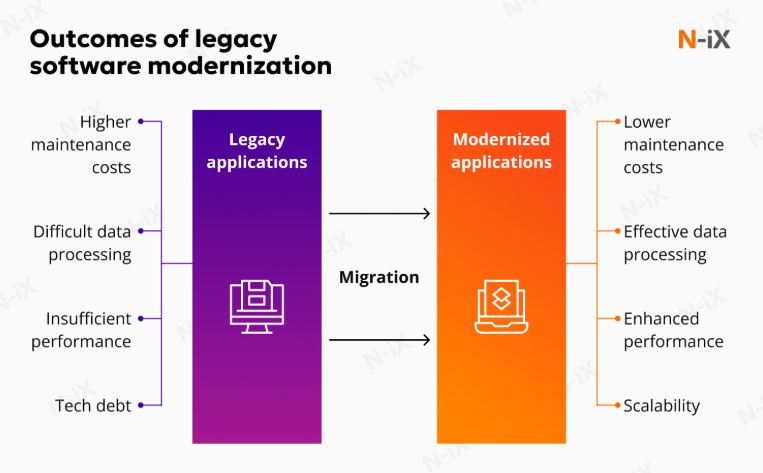
W Grupie SKM, zanim zalecimy jakąkolwiek transformację, patrzymy na starsze platformy przez pryzmat ściśle techniczny. System może być stary, ale technicznie sprawny. Jeśli jego architektura jest deterministyczna, dobrze zrozumiana i zachowuje się przewidywalnie pod obciążeniem, modernizacja staje się ryzykiem, a nie ulepszeniem.
Kluczowe kryteria często obejmują stabilność środowiska wykonawczego, spójność danych, odporność na błędy oraz brak wąskich gardeł architektonicznych, które ograniczają rozwój firmy. Jeśli system spełnia te warunki, techniczny argument za modernizacją znacznie słabnie.
Osiągaj mierzalne rezultaty, podczas gdy my zarządzamy realizacją outsourcing IT.
Jednym z najpowszechniejszych mitów jest to, że starsze systemy są automatycznie zagrożone. W rzeczywistości wiele starszych platform działa w zamkniętych, ściśle kontrolowanych środowiskach o ograniczonej powierzchni ataku. Incydenty bezpieczeństwa często pojawiają się w trakcie modernizacji, a nie przed nią.
Kolejnym błędnym przekonaniem jest to, że nowoczesne systemy są tańsze w utrzymaniu. Początkowe koszty rozwoju mogą być niższe, ale długoterminowa złożoność, rozrost chmury obliczeniowej i zależność od dostawców często niweczą oczekiwane oszczędności. Unikanie modernizacji nie oznacza stagnacji technicznej, lecz strategiczne ograniczenie.
Często spotykasz się z presją ze strony wewnętrznych zespołów ds. innowacji lub zewnętrznych konsultantów, którzy naciskają na modernizację jako symbol postępu. Jednak przywództwo techniczne wymaga sprzeciwiania się symbolicznym decyzjom, które zagrażają ciągłości operacyjnej.
Starsze systemy często stanowią serce systemów rozliczeniowych, procesorów transakcji czy platform rozliczeniowych. Systemy te nie są placami zabaw dla innowacji. To maszyny zbudowane z myślą o niezawodności, a nie eksperymentowaniu. Ich wymiana wprowadza niepewność w obszarach, w których awaria jest niedopuszczalna.
W SKM Group przypominamy naszym klientom, że innowacja ma swoje miejsce na obrzeżach architektury, a nie zawsze w jej centrum.
W branżach regulowanych modernizacja rzadko jest jedynie projektem technicznym. Stanowi wyzwanie prawne i związane z przestrzeganiem przepisów. Starsze systemy często posiadają certyfikaty, audyty i walidacje gromadzone przez dekady. Ich odbudowa oznacza rozpoczęcie całego procesu od nowa.
Z perspektywy zarządzania technicznego, utrzymanie zgodnego z przepisami starszego systemu jest często bezpieczniejsze niż ponowna certyfikacja nowego systemu o niesprawdzonej historii operacyjnej. W takich środowiskach stabilność nie jest kwestią konserwatyzmu, lecz odpowiedzialności.
Każda decyzja dotycząca modernizacji starszych systemów musi zaczynać się od architektury, a nie od trendów w narzędziach. Architektura mówi prawdę o ryzyku.
Dojrzałe architektury bywają nudne, a nudne systemy są niezawodne. Jeśli Twoja starsza platforma przetrwała szczytowe obciążenia, załamania rynku i zmiany regulacyjne bez awarii systemowych, to już udowodniła swoją wartość w warunkach produkcyjnych, z którymi nowoczesne systemy nigdy nie miały do czynienia.
Zastąpienie dojrzałej architektury nową resetuje zegar niezawodności do zera. Z punktu widzenia ryzyka jest to obniżenie, a nie ulepszenie.
Nie każdy dług techniczny jest równy. Niektóre starsze systemy są złożone, ponieważ kodują dekady logiki biznesowej, której żadna dokumentacja nie jest w stanie w pełni wyjaśnić. Przepisywanie takich systemów często usuwa „niewidzialną logikę”, o której istnieniu programiści nawet nie wiedzą.
Prawidłowa ocena rozróżnia złożoność przypadkową od istotnej. Wyeliminowanie niewłaściwej złożoności może zakłócić zachowanie krytyczne dla przychodów.
Starsze platformy czasami opierają się na zastrzeżonych komponentach, które są drogie, ale niezwykle stabilne. Nowoczesne alternatywy mogą obiecywać otwartość, ale wprowadzają warstwy abstrakcji, które zwiększają ryzyko awarii.
Pytanie nie brzmi, czy zależność istnieje, ale czy jest przewidywalna i kontrolowalna. W wielu przypadkach starsze zależności są już w pełni zamortyzowane i opanowane operacyjnie.
Powszechną obawą jest kurczenie się puli starszych inżynierów. W praktyce ryzyko to jest często przeceniane. Wiele starszych platform wymaga mniej zmian właśnie ze względu na ich stabilność. Niewielki, wyspecjalizowany zespół może skutecznie je utrzymywać, dysponując odpowiednią dokumentacją i umowami wsparcia.
Co więcej, współczesne stacki cierpią również na szybką utratę umiejętności. Ryzyko związane z talentem po prostu się przesuwa, a nie znika.
Starsze systemy nie oznaczają izolacji. Wiele starszych systemów integruje się niezawodnie za pośrednictwem kolejek komunikatów, interfejsów plikowych lub stabilnych interfejsów API. Jeśli integracja działa i nie blokuje rozwoju firmy, modernizacja przynosi niewielkie korzyści architektoniczne.
W takich przypadkach starszy system pełni rolę rdzenia przetwarzania, a nowoczesne warstwy ewoluują wokół niego. Ten hybrydowy model jest często najbezpieczniejszą strategią długoterminową.
Dyskusje o modernizacji często koncentrują się na technologii, ale prawdziwym ograniczeniem jest rzeczywistość ekonomiczna. Zrozumienie stosunku kosztów modernizacji do wartości wymaga spojrzenia poza budżety rozwojowe.
Koszty modernizacji nie ograniczają się do samego rozwoju. Obejmują one testowanie, operacje równoległe, uzgadnianie danych, walidację zgodności i planowanie wycofania. Koszty te kumulują się na długo przed tym, zanim nowy system zacznie przynosić korzyści.
Jednocześnie ciągłość operacyjna staje się krucha. Nawet drobne opóźnienia lub usterki mogą skutkować awariami, z którymi klienci muszą się liczyć.
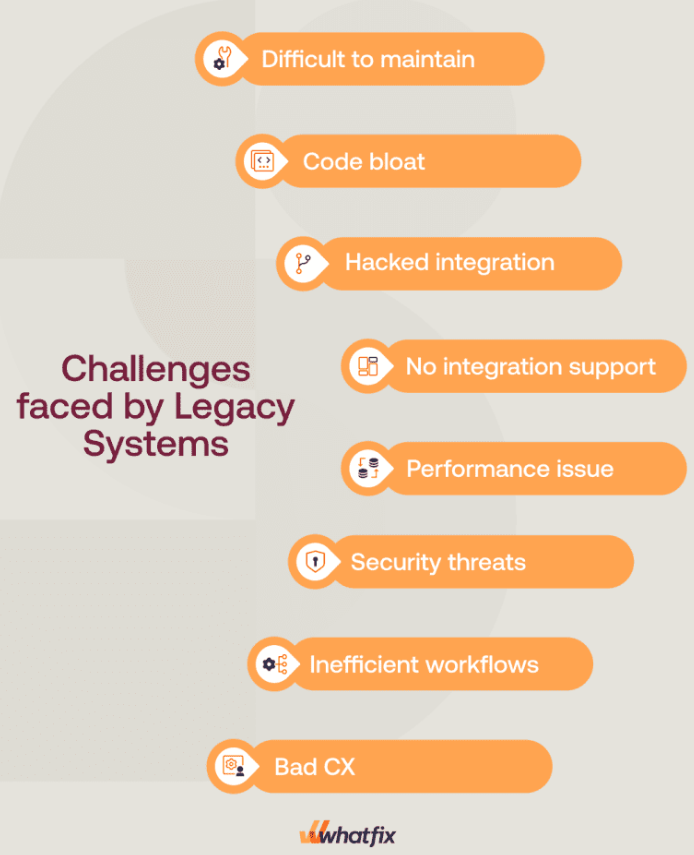
Przepisanie systemu powoduje odtworzenie znanej funkcjonalności przy wysokich kosztach, a jednocześnie nieświadomie traci możliwości działania w skrajnych przypadkach. Utrzymanie starszego systemu pozwala zachować sprawdzone rezultaty przy przewidywalnym nakładzie pracy.
Najdroższe systemy to nie te, które wyglądają na stare, ale te, które po modernizacji nigdy nie działają tak, jak oczekiwano.
Z naszego doświadczenia w Grupie SKM wynika, że często niedoceniane są następujące czynniki kosztowe:
Zwrot z inwestycji należy oceniać na podstawie realistycznych rezultatów, a nie optymistycznych prognoz. Jeśli modernizacja nie odblokuje nowych źródeł przychodów, nie zmniejszy ryzyka ani nie obniży znacząco kosztów operacyjnych, zwrot z inwestycji upada.
Stabilny system starszej generacji z przewidywalnymi kosztami często zapewnia lepszą wartość długoterminową niż nowoczesna platforma o niepewnym zachowaniu.
Ryzyko jest kosztem, nawet jeśli nie jest uwzględnione w bilansie. Utrata danych, przestoje i szkody wizerunkowe muszą być uwzględnione w decyzjach modernizacyjnych. Kiedy robisz to uczciwie, finansowy argument za utrzymaniem starszych systemów staje się znacznie silniejszy.
Szybko dostosuj się do zmieniających się wymagań dzięki elastyczności usługi informatyczne.
Każda godzina poświęcona na stabilizację nowego systemu to godzina, której nie można poświęcić na poprawę jakości obsługi klienta, ekspansję na rynki czy optymalizację procesów. Migracja pochłania energię organizacyjną na ogromną skalę.
Jeśli Twój starszy system obsługuje już firmę i nie blokuje jej rozwoju, modernizacja może okazać się najkosztowniejszym rozwiązaniem, na jakie możesz się zdecydować.
W przedsiębiorstwach globalnych, starsze systemy, które wciąż są w użyciu, często działają po cichu i bezproblemowo. Rzadko pojawiają się w materiałach marketingowych, a mimo to niosą ze sobą ogromny ciężar operacyjny. W Grupie SKM wielokrotnie obserwujemy ten schemat: systemy zaprojektowane z myślą o wąskim, ściśle określonym celu często przewyższają nowsze platformy właśnie dlatego, że nigdy nie były projektowane z myślą o elastyczności.
Starsze platformy sprawdzają się doskonale, gdy obciążenia są stabilne, przewidywalne i głęboko zoptymalizowane. Przez lata – a nawet dekady – systemy te były dostrajane na każdym poziomie: schematy baz danych opracowywano na podstawie rzeczywistych zapytań, procesy wsadowe dostosowywano do cykli biznesowych, a logikę obsługi błędów udoskonalano na podstawie rzeczywistych incydentów, a nie modeli teoretycznych. Efektem końcowym nie jest techniczna elegancja, lecz biegłość operacyjna.
Kolejnym powodem, dla którego te systemy nadal działają, jest spójność organizacyjna. Użytkownicy biznesowi dostosowali swoje procesy do zachowania systemu, a nie odwrotnie. To spójność redukuje tarcia, koszty szkoleń i niespodzianki operacyjne. Z perspektywy zarządzania technicznego, tę symbiozę niezwykle trudno odtworzyć w nowo zmodernizowanym środowisku.
Powody utrzymywania starszych systemów rzadko mają podłoże emocjonalne. Opierają się na przewidywalności, kontroli i sprawdzonych rezultatach. Przewidywalne zachowanie systemu pod obciążeniem nie jest luksusem, lecz wymogiem w środowiskach, w których przychody, bezpieczeństwo lub zgodność z przepisami są na szali. Starsze systemy często zachowują się dziś tak samo, jak dziesięć lat temu, a ta spójność jest atutem strategicznym.
Dojrzałe procesy monitorowania i konserwacji również odgrywają kluczową rolę. Z czasem zespoły dowiadują się dokładnie, gdzie system ulega awarii, jak ulega degradacji i jak go odzyskać. Progi alarmowe są istotne, podręczniki są dokładne, a reakcja na incydenty to pamięć mięśniowa. Z kolei nowoczesne systemy często ulegają awariom w nowy i nieoczekiwany sposób.
Równie ważne jest głębokie powiązanie z istniejącą logiką biznesową. Starsze bazy kodu często kodują złożone reguły, które nie istnieją już w dokumentacji ani ludzkiej pamięci. Usunięcie lub przepisanie tej logiki wprowadza ukryte ryzyko. Jeśli system zapewnia prawidłowe rezultaty i nie ma luk funkcjonalnych pomimo przestarzałej technologii, przywództwo techniczne wymaga powściągliwości, a nie reinterpretacji.
Ryzyko związane z modernizacją starszego oprogramowania jest często omawiane abstrakcyjnie, ale jego wpływ jest bardzo realny. Sama migracja danych stanowi poważne zagrożenie dla integralności. Starsze bazy danych często zawierają ukryte założenia, przypadki skrajne i historyczne anomalie, które nie przekładają się na nowoczesne schematy. Nawet drobne niespójności mogą prowadzić do rozbieżności finansowych lub błędów raportowania nawet kilka miesięcy po uruchomieniu.
Przestoje w działaniu systemów to kolejne niedoceniane ryzyko. Nawet w środowiskach równoległych i przy wdrażaniu etapowym, rzeczywiste przełączenia rzadko przebiegają bez zakłóceń. Tymczasowe zakłócenia w świadczeniu usług mogą mieć wpływ na zależne systemy, partnerów i klientów. W przypadku platform generujących przychody takie ryzyko jest niedopuszczalne.
Jednym z najpoważniejszych zagrożeń jest utrata wbudowanej logiki biznesowej podczas refaktoryzacji. Programiści modernizujący system często upraszczają kod, którego nie do końca rozumieją, usuwając zachowania, które wydają się zbędne, ale w rzeczywistości są krytyczne. Zagrożenia bezpieczeństwa mogą również wzrosnąć, gdy częściowa modernizacja tworzy szwy architektoniczne – nowe komponenty odsłaniają interfejsy, które nigdy nie były projektowane jako publiczne.
Wreszcie, nowoczesne platformy często wprowadzają nowe formy uzależnienia od dostawcy. Usługi chmurowe obiecują szybkość, ale wiążą architekturę z modelami cenowymi, planami działania i ograniczeniami pozostającymi poza kontrolą. Z perspektywy długoterminowego ryzyka, ten kompromis należy oceniać z najwyższą ostrożnością.
Twórz modułowe, skalowalne platformy za pomocą tworzenie oprogramowania na zamówienie.
Debata na temat modernizacji lub wymiany starszych systemów opiera się zasadniczo na rozłożeniu ryzyka w czasie. Pełna wymiana koncentruje ryzyko w jednym, istotnym zdarzeniu. Modernizacja stopniowa rozkłada ryzyko, ale rozciąga je na dłuższy okres. Żadna z opcji nie jest z natury bezpieczniejsza; bezpieczniejszy wybór zależy od krytyczności systemu i jego odporności na awarie.
Wykonalność techniczna jest ważniejsza niż ambicja. Niektóre architektury można bezpiecznie refaktoryzować, ponieważ mają jasne granice i dobrze zrozumianą logikę. Inne są tak mocno powiązane z procesami biznesowymi i integracjami zewnętrznymi, że ich przebudowa jest bliższa inżynierii wstecznej niż rozwojowi.
Istniejące integracje i interfejsy API potęgują to ryzyko. Każda zależność w dół łańcucha staje się potencjalnym punktem awarii podczas wymiany. Długoterminową konserwowalność należy oceniać uczciwie: nowoczesny system wymagający ciągłych zmian może być mniej konserwowalny niż starszy system, który rzadko wymaga modyfikacji.
W Grupie SKM często doradzamy wybór ścieżki, która minimalizuje nieodwracalne decyzje. Po wymianie starego systemu, jego wiedza znika bezpowrotnie.
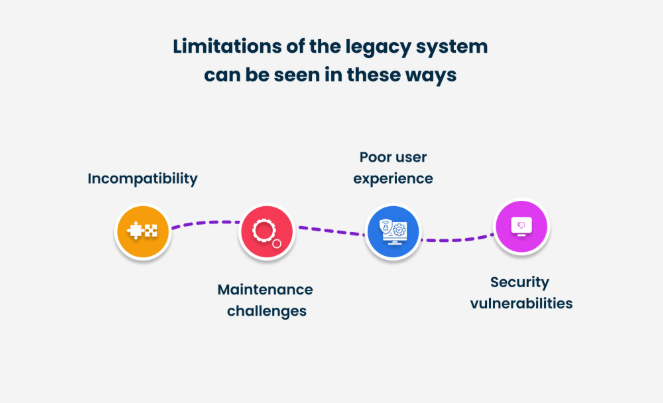
Istnieją jasne scenariusze strategiczne, w których niemodernizowanie starszych systemów staje się jedynym racjonalnym wyborem. Systemy o niskiej częstotliwości zmian i stabilnych wymaganiach rzadko korzystają z przeobrażeń architektonicznych. Jeśli reguły biznesowe nie zmieniły się od lat, wymuszenie zmian na poziomie technicznym wprowadza niepotrzebną zmienność.
Starsze platformy obsługujące główne źródła przychodów zasługują na szczególną uwagę. Te systemy nie są eksperymentami. To maszyny finansowe. Aplikacje o wysokich kosztach ponownej certyfikacji lub walidacji, szczególnie w regulowanych branżach, napotykają bariery modernizacyjne, które mogą przeważyć nad wszelkimi korzyściami technicznymi.
Systemy z ograniczonymi interfejsami użytkownika i brakiem nacisku na UX to kolejny silny kandydat do zachowania. Jeśli użytkownicy nigdy nie wchodzą w bezpośrednią interakcję z platformą, nowoczesne paradygmaty front-endu nie mają żadnej wartości. W środowiskach objętych ścisłym nadzorem regulacyjnym, utrzymanie znanego, zgodnego z przepisami systemu jest często bezpieczniejsze niż ponowne wprowadzanie niepewności regulacyjnej.
Wreszcie, wiele starszych systemów działa jak silniki przetwarzania back-end. Przekształcają dane, uzgadniają transakcje lub obliczają wyniki. Dopóki robią to poprawnie i na czas, ich wewnętrzny stos technologiczny nie ma znaczenia dla sukcesu firmy.
W Grupie SKM wierzymy, że modernizacja to narzędzie, a nie cel. Właściwa decyzja o modernizacji starszych systemów to taka, która chroni Twoją firmę, umożliwiając jednocześnie przyszły rozwój. Czasami taka decyzja prowadzi do transformacji. Równie często prowadzi do zdyscyplinowanej konserwacji.
Utrzymywanie starego systemu nie oznacza porażki. To sygnał, że dyscyplina inżynierska, świadomość ryzyka i zrozumienie biznesu kierują Twoją strategią. Pytanie, które powinieneś zadać, nie brzmi: „Czy ten system jest stary?”, ale: „Czy ten system nadal służy nam lepiej niż jakakolwiek alternatywa?”.
Kiedy nie należy modernizować starszych systemów z technicznego punktu widzenia?
Gdy system jest stabilny, zgodny, przewidywalny pod obciążeniem i nie blokuje rozwoju firmy, modernizacja zwiększa ryzyko, nie dostarczając proporcjonalnej wartości.
Jak oceniasz koszt i wartość modernizacji starszych systemów?
Uwzględniając ryzyko operacyjne, ryzyko przestoju, ukryte koszty migracji i koszty alternatywne — a nie tylko budżety na rozwój.
Jakie są największe zagrożenia związane z modernizacją starszego oprogramowania?
Utrata integralności danych, przerwanie świadczenia usług, usunięcie nieudokumentowanej logiki biznesowej, nowe luki w zabezpieczeniach i długotrwałe uzależnienie od dostawcy.
Czy modernizacja starego systemu jest zawsze lepsza niż jego wymiana?
Nie. Obie opcje wiążą się z ryzykiem. Bezpieczniejszy wybór zależy od krytyczności systemu, przejrzystości architektury i tolerancji na awarie.
Dlaczego w nowoczesnych przedsiębiorstwach nadal wykorzystuje się starsze systemy?
Ponieważ są zoptymalizowane, niezawodne, zgodne z przepisami i dostosowane do rzeczywistych procesów biznesowych, czego często brakuje nowoczesnym systemom.
Jak architekci mogą podjąć decyzję, czy zachować czy zmodernizować starszy system?
Koncentrując się na dojrzałości architektury, wpływie na działalność biznesową, koncentracji ryzyka i długoterminowej kontroli — a nie na trendach technologicznych.

When the system is stable, compliant, predictable under load, and not blocking business evolution, modernization increases risk without delivering proportional value.
By including operational risk, downtime exposure, hidden migration costs, and opportunity cost—not just development budgets.
Data integrity loss, service disruption, removal of undocumented business logic, new security gaps, and long-term vendor lock-in.
No. Both options carry risk. The safer choice depends on system criticality, architectural clarity, and tolerance for failure.


W naszym zespole Dominik Bigosiński odpowiada za strategiczne wykorzystanie treści do wspierania rozwoju firm online. Jako ekspert w tej dziedzinie, od 2018 roku współpracował z organizacjami ze Stanów Zjednoczonych, Wielkiej Brytanii, Norwegii i Polski, przyczyniając się do rozwoju ponad 100 blogów i wspierając ponad 450 marek B2B oraz sklepów e-commerce na całym świecie. Jego pasja do świadomego rozwoju i filozofii znajduje odzwierciedlenie w pracy, gdzie stawia na przemyślane, zorientowane na odbiorcę strategie, które przynoszą długofalowe rezultaty.
Zmień przestarzałe oprogramowanie w nowoczesne i wydajne narzędzie. Zobacz nasze podejście.
Zobacz więcejWiedza strategiczna o technologiach, tworzeniu oprogramowania i cyfrowym rozwoju
W Grupie SKM spędzamy dużo czasu rozmawiając z decydentami, którzy czują presję modernizacji tylko dlatego, że ich systemy są stare. Wiek nie jest jednak argumentem technicznym.
Modernizacja starszego systemu nigdy nie jest zadaniem czysto technicznym. To decyzja strategiczna, która bezpośrednio wpływa na Twoje źródła przychodów, odporność operacyjną, zgodność z przepisami i długoterminową zdolność do innowacji.

Modernizacja systemów starszych nie jest projektem technologicznym. To inicjatywa mająca na celu przetrwanie firmy, podszywająca się pod prace inżynieryjne. W Grupie SKM postrzegamy transformację systemów starszych jako kontrolowaną likwidację ryzyka

Modernizacja starszego oprogramowania jest często przedstawiana jako prosta droga od ograniczeń technicznych do wolności cyfrowej. W rzeczywistości jest to jedno z najbardziej złożonych działań transformacyjnych, jakie organizacja może podjąć.

Gdy Twoje oprogramowanie jest intuicyjne, płynne i naprawdę przyjemne w obsłudze, wzrasta zainteresowanie nim, koszty wsparcia spadają, a reputacja Twojej marki umacnia się z każdym kliknięciem.

Zarządzanie oprogramowaniem to dziś nie tylko posiadanie odpowiednich narzędzi – to także ich efektywne, zgodne z prawem i strategiczne wykorzystanie. W erze, w której w ekosystemach IT dominują subskrypcje chmurowe, modele SaaS i wdrożenia hybrydowe

Doskonale wiesz, że dane są krwiobiegiem Twojego biznesu. Jednak sposób ich przechowywania, zarządzania i dostępu może albo przyspieszyć rozwój firmy, albo dyskretnie go hamować.

Porównaj 5 podejść do modernizacji systemów legacy - od rehostingu po pełną przebudowę. Wyeliminuj uzależnienie od dostawcy (vendor lock-in) i zredukuj dług technologiczny o 50% bez przestojów.

Oprogramowanie legacy to nie tylko „stary kod”. To krytyczna część Twojej firmy, która z czasem staje się coraz bardziej krucha. Często tworzone na zamówienie i kiedyś najnowocześniejsze, Twoje starsze systemy prawdopodobnie zawierają lata wiedzy.

Współczesny biznes opiera się na oprogramowaniu. Ale jeśli Twoje operacje nadal opierają się na systemach sprzed dziesięcioleci, prawdopodobnie odczuwasz ten opór. W SKM Group pracowaliśmy z niezliczoną liczbą firm zmagających się ze starszym softem

Modernizacja starszego oprogramowania odnosi się do procesu aktualizacji, ulepszania lub całkowitej transformacji przestarzałych systemów oprogramowania - często określanych jako starsze oprogramowanie - w celu spełnienia obecnych standardów.

Migracja do chmury odnosi się do przenoszenia aplikacji, danych i innych jednostek biznesowych ze środowiska lokalnego do środowiska w chmurze. Może mieć miejsce w chmurach publicznych, prywatnych lub hybrydowych w zależności od konkretnych potrzeb b

Jeśli prowadzisz firmę w erze cyfrowej, zapewne słyszałeś o modernizacji przestarzałego oprogramowania. Ale co to tak naprawdę oznacza i dlaczego jest dziś tak gorącym tematem w świecie technologii?
%20(1).avif)
W dynamicznie zmieniającym się świecie technologii firmy stają przed wyzwaniem, jakim jest integracja systemów legacy z nowoczesnymi rozwiązaniami, aby zachować elastyczność operacyjną i bezpieczeństwo

Komentarze