

How IT Helpdesk Software Transforms Support Operations

Technology moves fast. Your clients move faster. And when systems stop working, even for a moment, your business feels the weight instantly. That’s where an IT Helpdesk becomes the nerve center of operational continuity — a bridge between chaos and clarity. At SKM Group, we believe the right IT Helpdesk Software is not just a support tool — it’s the operational heartbeat of modern organizations. Let’s explore how this digital backbone can elevate your support operations, streamline your workflows, and strengthen every interaction your team has with technology and users alike.
An IT Helpdesk is much more than a place users turn to when something breaks. It’s a structured service designed to manage, resolve, and prevent IT-related issues across an organization. Think of it as your business’s first line of defense against downtime — a systematic approach to handling technical incidents, user requests, and knowledge management.
In simple terms, an IT Helpdesk helps users get back to productivity faster. Whether that means resetting passwords, troubleshooting software errors, or coordinating with other departments for complex infrastructure issues, the helpdesk ensures that no problem lingers longer than necessary.
At SKM Group, we see the IT Helpdesk as both a service and a strategy. It integrates people, processes, and technology to keep your business connected and efficient. It’s not just reactive — it’s anticipatory, always one step ahead of potential disruptions.
Unlock your company’s full potential using professional IT services.
A well-structured IT Helpdesk team operates like a finely tuned engine. Each role contributes to reducing friction in your organization’s digital landscape.
Typically, an IT helpdesk team:
Behind these processes lies something bigger — empathy. Because great IT support isn’t just about solving tickets; it’s about understanding how every interruption impacts real people trying to do their jobs. When your team feels supported, productivity rises, and frustration drops.
You might ask — isn’t IT Helpdesk Software just a glorified ticketing system? Not quite. A ticketing tool helps log and track issues, but a true IT Helpdesk platform goes far beyond that. It connects incident management, automation, reporting, and communication under one roof.

At SKM Group, our philosophy is simple: a helpdesk solution should empower your team to act intelligently, not just reactively. With integrated knowledge bases, AI-assisted responses, and workflow automation, you move from putting out fires to preventing them altogether.
In practice, IT Helpdesk Software orchestrates everything from multi-channel ticket intake (email, chat, portal) to real-time analytics on resolution times. It gives you a 360° view of your support operations, allowing you to forecast workloads and identify patterns before they become problems.
If you can’t measure it, you can’t improve it. That’s why a data-driven approach to IT Helpdesk operations is critical. The most successful organizations treat their helpdesk as an evolving performance engine, continuously optimizing through measurable insights.
Some of the most impactful metrics include:
When your IT Helpdesk Software automates the tracking of these metrics, you gain a clear window into both team efficiency and user sentiment. Over time, this data shapes smarter strategies, sharper processes, and a culture of continuous improvement.
Reactive support fixes what’s broken. Proactive support prevents it from breaking in the first place. That’s the real difference a strong IT Helpdesk brings to your organization.
A proactive helpdesk identifies weak points through analytics, trends, and automation. It leverages predictive tools and regular health checks to eliminate recurring incidents. The result? Less downtime, lower costs, and happier users.
The business benefits extend even further:
At SKM Group, we help you transform your helpdesk from a reactive department into a proactive intelligence hub. With the right IT Helpdesk Software, your support operations evolve into a source of strategic value, not just a cost center.
Gain long-term efficiency and support with SKM Group’s IT outsourcing.
You already know what an IT Helpdesk can do. But to truly elevate your operations, you need the technology behind it to match your ambition. That’s where IT Helpdesk Software becomes a game-changer. It transforms your support from manual, fragmented tasks into an automated, data-driven, and highly collaborative process.
When your helpdesk platform consolidates ticket management, communication channels, analytics, and knowledge sharing, it creates a single pane of glass for your IT operations. This not only reduces redundancy but ensures every interaction is tracked, measurable, and actionable.
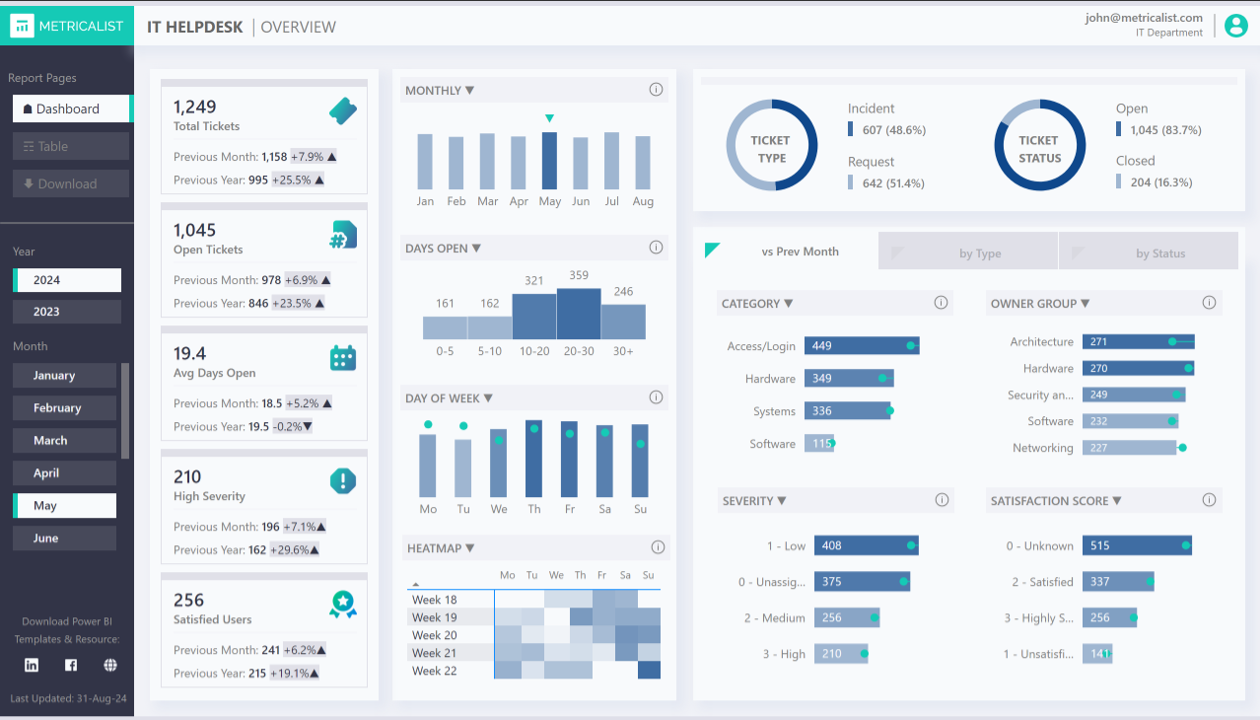
At SKM Group, we’ve seen it firsthand: organizations that implement robust IT Helpdesk Software experience faster resolutions, reduced employee burnout, and far better transparency. You eliminate silos, automate routing, and empower agents to resolve complex issues faster — all while improving user experience. That’s operational excellence made visible.
Growth is a sign of success, but it often puts pressure on your support ecosystem. The question isn’t if you should expand your IT support — it’s when. There are clear signs that your current model might be reaching its limits.
You know it’s time to scale when ticket volumes consistently exceed response capacity, when service-level breaches become frequent, or when your team starts focusing more on firefighting than on strategy. It’s also when users begin expecting omnichannel support — chat, phone, portal — and your current setup can’t keep pace.
That’s when IT Helpdesk Software becomes not just useful but essential. With automated escalation, AI-driven ticket routing, and integrated reporting, you can expand capacity without necessarily increasing headcount. You can serve more users, in more ways, with greater consistency.
At SKM Group, we help businesses evolve their support models intelligently — scaling infrastructure, integrating modern tools, and ensuring that every expansion maintains quality, responsiveness, and reliability.
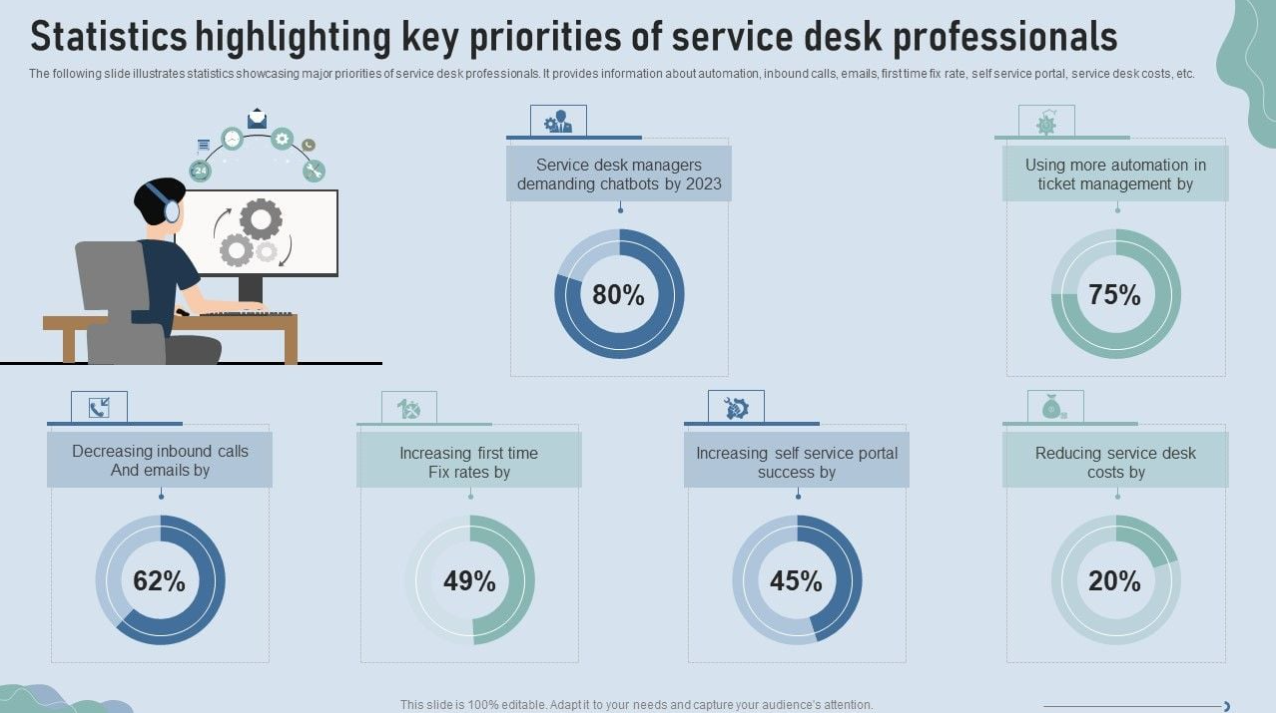
The IT Support Definition forms the foundation of your Service Level Agreements (SLAs). Without clarity in what “support” truly means, you can’t measure performance or hold your processes accountable. Understanding your IT Support Meaning is not just semantics — it’s governance.
Defining IT Support Meaning as Per Industry Standards
In industry practice, IT Support Meaning encompasses the people, tools, and processes that maintain and optimize IT services. It’s a structured discipline guided by frameworks like ITIL (Information Technology Infrastructure Library), focusing on value delivery rather than technical silos.
For you, that means defining IT support not just as fixing problems, but ensuring business continuity. It means mapping your support scope — from incident response to change management — so your SLAs have a measurable, meaningful foundation. That’s where precision meets accountability.
Levels of IT Support Definition: L1, L2, L3 Explained
A mature IT organization differentiates its support levels to optimize efficiency. Let’s break them down clearly:
A powerful IT Helpdesk Software automates routing across these levels, ensuring each incident reaches the right expertise fast. That automation reduces friction, improves SLA compliance, and keeps both users and technicians aligned.
Integrating IT Helpdesk Software to Fulfill SLAs
SLAs are only as effective as the system enforcing them. By embedding SLA policies directly into your IT Helpdesk Software, you can ensure that every ticket is automatically prioritized, escalated, and tracked against its commitment window.
This integration allows you to define SLA rules for response and resolution times, assign different targets for different issue categories, and alert agents when deadlines are at risk. It’s accountability built into the workflow.
At SKM Group, we configure IT Helpdesk Software to reflect your exact operational structure — aligning metrics, notifications, and escalations with your business priorities. That means you don’t just meet SLAs; you live them.
Automating Incident Routing and Escalation
Manual ticket assignment slows everything down. Automation changes that dynamic. With intelligent routing, incidents automatically reach the right agent or department based on issue type, urgency, and availability. It’s precision without human bottlenecks.
This not only speeds up resolution but also reduces human error. When combined with AI-based triage, your system learns from past incidents, improving over time. The longer your IT Helpdesk Software runs, the smarter it becomes — continuously refining how your organization responds to challenges.
Automation also enables structured escalation paths. When deadlines are in danger or problems exceed a certain threshold, the system instantly notifies the next level of support or management. You maintain momentum and visibility even under pressure.
Build digital tools that perfectly match your needs through custom software development.
Reporting on IT Support Metrics for Continuous Improvement
You can’t evolve what you can’t see. That’s why modern IT Helpdesk Software integrates powerful analytics dashboards that visualize every key metric — response times, backlog volumes, resolution rates, and satisfaction scores.
Regular reporting transforms isolated incidents into actionable insights. It helps you identify recurring issues, track agent performance, and monitor SLA adherence. Over time, this data becomes your greatest asset for continuous improvement and strategic planning.

At SKM Group, we empower clients to turn raw helpdesk data into business intelligence. Because the goal isn’t just fixing tickets — it’s optimizing the system that prevents them from piling up in the first place.
The short answer: any organization where IT is critical to daily operations. Whether you’re a growing startup or an enterprise with hundreds of employees, the complexity of your digital ecosystem demands scalability and intelligence.
Advanced IT Helpdesk Software is especially crucial for:
If your IT environment supports mission-critical operations, you can’t afford fragmented systems or guesswork. An advanced helpdesk ensures structure, traceability, and resilience. It gives your organization a foundation for trust and performance — two things no digital business can survive without.
Your IT Helpdesk Software shouldn’t exist in isolation. It should connect with the wider ecosystem that supports collaboration, communication, and asset management. Integrations amplify your team’s power and improve visibility across departments.
Complementary tools typically include monitoring platforms, CRM systems, knowledge bases, and remote management solutions. When combined, they create a holistic view of every incident’s lifecycle — from detection to resolution.
At SKM Group, we specialize in creating seamless integrations that align with your business model. Because your technology should speak the same language as your strategy — and your IT Helpdesk is the translator.
Implementing IT Helpdesk Software is more than just installing a tool. It’s about reshaping your operational mindset. To make it work, you need structure, training, and continuous optimization.
Establishing Governance and Support Policies
Start with clear governance. Define ownership, escalation paths, and policies for incident handling. Without governance, even the best software becomes chaotic. Governance ensures accountability, consistency, and compliance across every layer of your support structure.
Training Agents on IT Helpdesk Software Features
Technology is only as effective as the people using it. Comprehensive training ensures your agents understand not just how the software works, but how it fits into the business mission. When your team knows the “why” behind every process, they deliver with purpose and precision.
Customizing Workflows for Unique Business Needs
No two organizations operate the same way. Your IT Helpdesk Software should mirror your internal structure, workflows, and communication style. Customizing ticket categories, SLA rules, and approval chains ensures the system supports your business — not the other way around.
Ensuring Data Security and Compliance in Support Tools
Security can’t be an afterthought. Sensitive data flows through your helpdesk every day — user credentials, device details, and system logs. Choose solutions that meet compliance standards (like GDPR or ISO 27001) and offer strong encryption, role-based access, and audit trails. At SKM Group, we prioritize security in every deployment, ensuring your support operations remain both efficient and compliant.
Monitoring and Optimizing IT Helpdesk KPIs
After implementation, optimization never stops. Continuously monitor your key performance indicators — resolution times, SLA compliance, backlog trends — and refine processes accordingly. Continuous improvement turns your helpdesk into a living, adaptive system that grows with your organization.
In a world where technology defines competitiveness, your IT Helpdesk defines resilience. The right IT Helpdesk Software doesn’t just resolve incidents — it creates an ecosystem of efficiency, accountability, and foresight.
At SKM Group, we don’t just deploy software. We build intelligent support ecosystems that evolve with your business. Because when your helpdesk operates seamlessly, everything else does too.

An IT Helpdesk focuses on resolving technical issues and managing incidents, while an IT Service Desk takes a broader approach — handling service requests, change management, and overall IT service delivery.
Identify your support volume, team size, integration needs, and compliance requirements. Then, look for flexibility, automation, analytics, and scalability — core strengths of enterprise-grade IT Helpdesk Software.
Modern IT Support Meaning extends beyond troubleshooting. It’s about delivering continuous availability, enabling digital transformation, and ensuring that technology drives value instead of friction.
When your current system can’t keep pace with demand, lacks automation, or fails to provide actionable analytics. Growth demands scalability — and outdated tools limit your efficiency.


In our team, Dominik Bigosiński is responsible for driving the growth of online businesses through the strategic use of content. As an expert in his field, he has collaborated with organizations from the US, UK, Norway, and Poland since 2018, contributing to the development of over 100 blogs and supporting more than 450 B2B and e-commerce brands worldwide. His passion for conscious personal growth and philosophy is reflected in his work, where he focuses on delivering thoughtful, audience-centered strategies that drive long-term results.
Hire our experienced IT experts. Flexible, effective, and ready to start.
Discover moreStrategic insights into technology, software development, and digital growth

At SKM Group, we often tell our clients that building software is only the first chapter of the story. The rest of the book is the software maintenance process—the continuous effort required to keep your system healthy, secure, scalable.

The speed of change is ruthless. Systems that once powered your business can quickly become the anchors that hold it back. At SKM Group, we’ve seen this story unfold across industries.
Technology moves fast. Your clients move faster. And when systems stop working, even for a moment, your business feels the weight instantly. That’s where an IT Helpdesk becomes.

When you're steering a tech-driven business, every dollar invested in software must work harder and smarter. Outsourcing lets you harness global expertise while minimizing overhead and accelerating delivery timelines.

If you're evaluating how to accelerate digital initiatives while staying lean, software development outsourcing delivers a precise answer. By partnering with external experts, you tap into specialized skills and proven delivery processes

Nearshore Software Development Outsourcing is the strategic delegation of software engineering tasks to external teams located in neighboring or nearby countries. It’s not just about saving money—it’s about alignment.

Evaluate an outsourced development team for your legacy stack. Cut sprint delays, reduce IT overhead by 30%, and integrate .NET engineers in 6 weeks..

Software Development Nearshore refers to outsourcing your software projects to teams in neighboring or nearby countries. It's a model that balances cost-efficiency with strategic proximity.

Software outsourcing means handing over your software development to an external partner, often located in another country or region. It’s not just about cutting costs—although that's a common reason.

In 2025, selecting the right Software Development Outsource Company is no longer just a matter of cost—it's a mission-critical decision that impacts scalability, security, and competitive edge.

Every modern business relies on technology to stay competitive. But maintaining IT infrastructure, security, and efficiency in-house can be overwhelming and costly. This is where Managed Services in IT come in.

By outsourcing IT operations and infrastructure management to expert providers, companies can focus on their core business activities without the burden of handling complex IT tasks internally.

Technology is the backbone of modern business, and Managed IT Services have become the key to maintaining a secure, efficient, and scalable IT environment. Whether you run a small startup or a global enterprise, Managed IT Service Providers offer.

As a small business owner, you likely wear many hats. From managing operations to driving growth, your plate is always full. That’s where IT outsourcing for small businesses comes in—a strategic solution to offload technical responsibilities

Properly selecting a web development company is one of the most important decisions you must make, significantly affecting your project's success. In the US alone, there are approximately 4.3 million software houses;

Discover the world of .NET development in this comprehensive guide. Learn what a .NET developer does, the skills needed, and the importance of .NET technology in building scalable and reliable applications.

Discover effective strategies for managing IT costs in a rapidly changing technological landscape. Learn how flexible budgeting, forecasting, and prioritizing investments can help businesses save money while enhancing profitability and competitivenes

Discover why soft skills are as vital as technical expertise for programmers. Explore the growing importance of communication, collaboration, and empathy in software development.

Explore the pros and cons of desktop, remote, and hybrid work models in the IT industry. Learn how these models impact productivity, employee satisfaction, and competitive advantage, with a focus on IT outsourcing and custom software development.

Discover the environmental impact of the IT industry, from carbon emissions and energy consumption to raw material extraction and e-waste. Learn how sustainable practices can mitigate these effects, leading to a greener digital future.

Navigating remote work and IT outsourcing? Discover how to leverage the cultural and geographic diversity of international teams to drive innovation while addressing common challenges.

Inclusive software enhances user engagement and promotes a positive brand image, making it a strategic business asset. Create inclusive software designs that cater to all users, regardless of their abilities, age, or cultural background.

Discover how IT outsourcing revolutionizes HR management, enhancing agility and efficiency. Explore benefits like cost reduction, access to global talent, and streamlined processes.

Discover the importance of accurate technical skills assessment in IT recruitment. Explore methods like technical interviews, online tests, live coding, and homework assignments.

Explore the role of soft skills in diverse IT roles, from programming to client interactions, and learn how they contribute to effective collaboration, innovative problem-solving, and lasting client relationships.

Learn best practices for managing your IT outsourcing team and turning challenges into growth opportunities. Learn about the different types of outsourcing contracts
.avif)
Ready to revolutionize your IT strategy? Learn the top 5 factors for choosing the perfect outsourcing partner. How can understanding your business needs drive IT success? Who are the key players in the global IT outsourcing market?

In the tech world, companies often face a common problem - employees leaving. This is especially tricky when it comes to IT developers. As the need for specific skills grows and the competition for the best IT experts gets tougher.

In the dynamic landscape of software creation, where innovation and efficiency are paramount, the concept of IT outsourcing has emerged as a strategic alternative that's catching the attention of businesses worldwide.
.avif)
In the landscape of the software industry, the success of a business hinges on its ability to assemble the right team with the right skills.One of the questions on every tech entrepreneur's mind: how do you get the best talent on board?

Comments