

How Software License Management Optimizes IT Investments

Managing software today isn’t just about having the right tools–it’s about using them efficiently, legally, and strategically. In an era where cloud subscriptions, SaaS models, and hybrid deployments dominate IT ecosystems, understanding and applying software license management effectively can directly influence your company’s bottom line.
At SKM Group, we see it every day–businesses overspending on unused licenses, exposing themselves to compliance risks, or underestimating the value of structured governance. Let’s explore how a disciplined, data-driven approach to license management can help you transform your IT investments from cost centers into assets of measurable value.
Software license management is the systematic process of monitoring, controlling, and optimizing the software your organization owns, rents, or subscribes to. It ensures that every application running in your IT environment is properly licensed, compliant with vendor agreements, and used cost-effectively.
The objectives go far beyond compliance. Yes, you need to stay legal–but equally important is cost optimization, risk mitigation, and operational efficiency. When you manage licenses properly, you gain real-time visibility into usage patterns, renewals, and future requirements. You understand what’s driving your IT costs and where your money is being wasted.
In short, the main goals of software license management are to:
When executed right, this process isn’t just administrative–it’s a competitive strategy.
Stay competitive in the digital era using SKM Group’s IT services!
An effective program combines people, processes, and technology in a cohesive governance framework. You can’t just rely on a spreadsheet or manual record-keeping anymore. Modern license management requires automation, integration, and continuous oversight.
At SKM Group, we typically structure successful programs around these pillars:
1. Centralized inventory control. A unified repository of all software assets–on-premises, SaaS, and cloud–provides a single source of truth for IT, procurement, and compliance teams.
2. Real-time usage tracking. Knowing which applications are being used, by whom, and how often helps you identify opportunities for reallocation or downsizing.
3. Compliance management workflows. Automated checks ensure your software footprint matches license entitlements and audit requirements.
4. Reporting and analytics. Actionable dashboards reveal spending trends, highlight compliance risks, and support executive decision-making.
These components, when properly integrated, create visibility and control that extend across your entire software ecosystem.
Differences Between License Tracking and Software Asset Management Systems
Many organizations confuse license tracking with software asset management. While related, the two concepts serve different purposes.
License tracking is a narrow activity–keeping a record of licenses, versions, and renewal dates. It helps avoid expired contracts or unauthorized installations but does not provide insights into usage, cost optimization, or lifecycle management.
A software asset management system, however, is a broader, strategic framework. It not only tracks licenses but also integrates with your procurement, ITSM, and financial systems to manage the entire software lifecycle–from request to retirement.
In other words, license tracking is tactical. SAM is transformational.
At SKM Group, we often tell clients: a tracking spreadsheet can prevent you from losing a license key, but only a mature SAM strategy can save you from losing thousands in annual overspend.
Regulatory and Compliance Requirements for Licenses
Every organization must comply with software licensing laws and vendor agreements. These obligations vary depending on jurisdiction, software type, and deployment model. For instance, cloud-based SaaS contracts often involve user-based or consumption-based terms, while perpetual licenses may include geographic or device restrictions.
Failing to comply can lead to severe financial and legal consequences–vendor audits, fines, or even litigation. Non-compliance also damages reputation, particularly in regulated sectors like finance, healthcare, or government.
Regulatory frameworks, such as ISO/IEC 19770-1, establish global standards for software asset management. Adhering to them demonstrates governance maturity and audit readiness. They define how you should identify, verify, and control software assets consistently across business units.
By following these principles, you can ensure that every license acquisition and renewal aligns with both corporate policy and international compliance expectations.
Business Risks of Poor Software License Management
When software license management is neglected, the risks multiply quickly. You might pay for licenses you no longer use, miss renewal windows, or deploy unlicensed software unknowingly.
Poor visibility leads to misaligned budgets and unpredictable audit outcomes.
You could face:
Over time, these inefficiencies compound. You lose negotiating power with vendors, decision-making becomes reactive, and your IT investments start eroding instead of driving business value.
That’s why we, at SKM Group, emphasize proactive governance–it turns a potential liability into a measurable advantage.
Reduce overhead and boost agility through IT outsourcing!
A software asset management system (SAM system) is the engine behind efficient license control. It automates discovery, monitoring, and reporting across your IT landscape. Instead of manually collecting data, a SAM system continuously maps software installations, usage patterns, and entitlements.
The best systems provide deep visibility into both on-prem and cloud environments. They can detect unauthorized applications, manage SaaS subscriptions, and reconcile licenses against vendor contracts in real time.
Key capabilities include:
With such a system in place, you can turn raw inventory data into actionable intelligence–understanding where to cut costs, reassign assets, or consolidate vendors.
Integration is what makes a SAM system powerful. It doesn’t operate in isolation–it connects with your procurement systems, IT service management (ITSM) tools, and financial platforms.
When integrated with procurement, SAM ensures that every new software purchase or subscription aligns with existing entitlements and budgets. Duplicate requests or unauthorized acquisitions are automatically flagged.

With ITSM, SAM tools synchronize with incident, change, and request workflows. This enables IT teams to approve installations, track usage, and enforce policies directly from the service desk.
Ultimately, this integration eliminates silos. Finance, procurement, and IT can finally speak the same language–one based on transparent data rather than guesswork.
Role of a Software Asset Management System in License Optimization
Beyond compliance, a software asset management system is your best weapon for cost optimization. It analyzes actual usage data to help you right-size your licenses and negotiate smarter contracts.
Let’s say you’ve got a department using 200 Microsoft 365 licenses but only 120 are active monthly. The SAM system identifies this gap instantly. You can downgrade, reallocate, or terminate the surplus. Multiply that across multiple vendors, and the savings can reach six or seven figures annually.
At SKM Group, we help clients use SAM data not only to reduce costs but to plan strategically–forecasting future needs based on real usage patterns rather than assumptions. That’s where IT investments stop being reactive and start becoming predictive.
Automated Discovery vs. Manual Inventory Processes
Manual inventory is the enemy of modern IT governance. It’s slow, error-prone, and unsustainable in hybrid environments. Relying on spreadsheets or one-time audits means your data is outdated the moment it’s compiled.
Automated discovery, on the other hand, continuously scans endpoints, servers, and cloud accounts. It identifies installed software, version details, and even usage frequency–creating a living inventory that updates in real time.
Automation brings consistency and accuracy. It reduces audit preparation time, eliminates redundant data entry, and ensures compliance with minimal human intervention.
At SKM Group, we’ve seen organizations cut software audit preparation time by 80% after switching to automated SAM tools. That’s not just efficiency–that’s operational resilience.
Reporting and Dashboard Capabilities in SAM Systems
The real power of a software asset management system lies in its analytics layer. Modern SAM platforms provide intuitive dashboards that visualize license utilization, compliance posture, and financial performance.
You don’t just see raw numbers–you see trends, patterns, and forecasts. You can identify which departments are overspending, which vendors deserve renegotiation, and which software products are underused.
Customizable reports also make compliance audits painless. Instead of scrambling to collect data, you can generate vendor-ready reports within minutes. The transparency you gain builds confidence among auditors, executives, and stakeholders alike.
Implementing software asset management best practices isn’t just about ticking compliance boxes. It’s about gaining control, transparency, and foresight across your IT ecosystem. When you follow structured SAM methodologies, you align every purchase, renewal, and deployment with business strategy–not just IT needs.
At SKM Group, we’ve seen organizations cut software costs by up to 30% within a year simply by adhering to best practices. These include maintaining an accurate inventory, implementing governance policies, automating license tracking, and conducting regular audits.
The benefits extend far beyond savings. You gain negotiating leverage with vendors, strengthen your audit defense, and support sustainability by eliminating software waste. In a world of ever-changing subscription models, best practices ensure that your IT investments stay optimized and future-proof.
Not every organization starts with enterprise-grade tools. Some prefer to explore software asset management open source options first–especially when budgets are tight or teams want to experiment before scaling.
Popular open-source solutions, such as Snipe-IT, GLPI, or Ralph, offer essential SAM functionalities: asset tracking, license documentation, and usage reporting. They provide visibility and basic control but often require more manual configuration and lack advanced automation.
Still, open-source SAM tools can serve as a strong foundation, especially for small to mid-sized businesses. With customization and integration, they deliver solid insights without licensing costs. The key is to recognize their limits–they’re a starting point, not a substitute for a full enterprise SAM strategy.
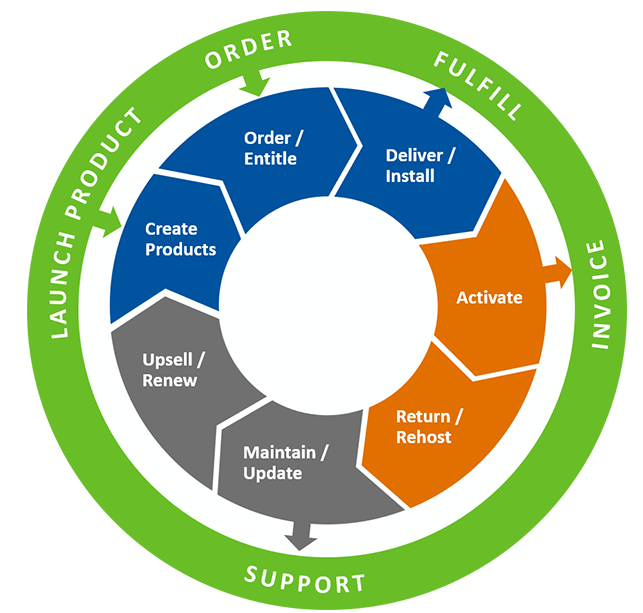
A successful software license management implementation requires both structure and persistence. It’s not a one-time project–it’s a continuous improvement journey.
Step 1: Conducting a Comprehensive License Audit
Start with visibility. Perform a full inventory of all software across your infrastructure. Identify every license, subscription, and contract, then reconcile them with what’s actually deployed. This is the foundation for compliance and optimization alike.
Step 2: Defining Policies and Governance for License Usage
Set clear, enforceable policies on software procurement, installation, and retirement. Governance ensures accountability–everyone knows who owns what, who approves new software, and how renewals are managed.
Step 3: Selecting and Deploying License-Tracking Tools
Choose a tool that fits your scale and ecosystem. Integration with ITSM, procurement, and cloud management tools is essential. Automation should reduce manual workload and increase real-time accuracy.
Step 4: Training Stakeholders on Compliance Processes
Technology means little without awareness. Educate employees, IT teams, and procurement officers on licensing rules, renewal timelines, and approval workflows. Empower them to maintain compliance proactively.
Step 5: Automating Renewal and Procurement Workflows
Automation eliminates human error and missed deadlines. Renewals, alerts, and approvals can be triggered automatically based on data-driven insights. This ensures that your software portfolio evolves smoothly, without sudden compliance gaps.
Step 6: Establishing Ongoing Monitoring and Alerts
Continuous monitoring keeps your license data alive. Real-time alerts notify you of unauthorized installations or license expirations before they become risks.
Step 7: Reporting and Continuous Improvement
Finally, make reporting a routine. Regularly analyze data to identify trends, bottlenecks, and opportunities for optimization. Use metrics to prove value and refine strategy over time.
Ownership determines accountability. Typically, software license management sits at the intersection of IT, procurement, and finance. But without a designated leader, it can quickly become fragmented.
At SKM Group, we recommend appointing a dedicated Software Asset Manager or a cross-functional governance team. This ensures decisions are made based on holistic data–not departmental priorities.
The key is alignment: IT provides technical visibility, procurement manages contracts, and finance validates cost efficiency. Together, they turn license management into a strategic discipline, not an administrative task.
Timing matters as much as accuracy. You should review software licenses at least quarterly, with major audits conducted annually. However, in fast-evolving environments–especially with cloud and SaaS–monthly reviews often make sense.
The goal is to anticipate renewals, not react to them. Early reviews give you time to evaluate usage, assess vendor performance, and renegotiate contracts.
Never let renewals surprise you. A proactive cadence transforms renewals from a rushed administrative duty into a strategic budgeting opportunity.
Simplify workflows with customized custom software development!
Success in software license management must be measurable. The right metrics translate visibility into value.
License Compliance Rate and Audit Findings
Your compliance rate shows how well you adhere to license terms. Fewer audit findings mean stronger governance and less financial exposure.
Cost Savings from License Optimization
Track how much you’ve saved through consolidation, downgrades, and reallocation. This metric directly links SAM maturity to financial performance.

Utilization Metrics: Under- vs. Over-Licensed Assets
Usage analytics reveal inefficiencies–licenses paid for but unused, or teams lacking access they need. Balancing utilization ensures every dollar spent drives productivity.
ROI on License Management Tooling
Calculate returns from your SAM platform–cost savings versus investment. Effective systems often deliver ROI within 6–12 months.
Time-to-Resolution for Compliance Incidents
Measure how quickly your team can identify and correct compliance deviations. Faster resolution indicates process maturity and operational agility.
Reduction in Unplanned Renewals and Penalties
A declining number of unplanned renewals signals that your workflows are proactive, not reactive. It means control has shifted from vendors to you.
True digital maturity isn’t just about adopting the newest technologies–it’s about managing them wisely. When you master software license management, you unlock a new level of control over costs, risks, and innovation potential.
At SKM Group, we’ve seen clients turn compliance into a competitive edge. Through structured governance, real-time data, and cross-departmental collaboration, they gain transparency that drives smarter decisions.
In the end, software license management isn’t about limitation–it’s about liberation. It frees your organization from uncertainty, allowing you to invest confidently, innovate faster, and grow sustainably.

License compliance focuses on ensuring that you use software legally and according to vendor terms. Software asset management, however, goes beyond compliance–it manages the entire lifecycle of software assets, from acquisition to retirement. While compliance protects you from risk, SAM helps you optimize performance, cost, and long-term strategy.
You should conduct a full audit at least once a year, though quarterly mini-reviews are ideal for dynamic environments. Frequent auditing helps you identify unused or duplicated licenses early. It also strengthens your audit defense and ensures cost predictability before renewals arise.
Open-source SAM tools can support small or mid-sized organizations effectively but often lack enterprise-level automation, analytics, and integration capabilities. They’re excellent for foundational visibility, yet large enterprises usually supplement them with commercial tools or custom integrations for scalability and compliance assurance.
Most organizations see measurable ROI within 6 to 12 months of implementation. Savings stem from reduced over-licensing, better vendor negotiations, and improved compliance readiness. The more complex your software portfolio, the faster the return tends to materialize.


In our team, Dominik Bigosiński is responsible for driving the growth of online businesses through the strategic use of content. As an expert in his field, he has collaborated with organizations from the US, UK, Norway, and Poland since 2018, contributing to the development of over 100 blogs and supporting more than 450 B2B and e-commerce brands worldwide. His passion for conscious personal growth and philosophy is reflected in his work, where he focuses on delivering thoughtful, audience-centered strategies that drive long-term results.
Transform your outdated system into a modern, high-performance tool. See our approach.
Discover moreStrategic insights into technology, software development, and digital growth

At SKM Group, we spend a lot of time talking with decision-makers who feel pressure to modernize simply because their systems are old. Age, however, is not a technical argument.
Modernizing a legacy system is never a purely technical exercise. It is a strategic decision that directly affects your revenue streams, operational resilience, compliance posture, and long-term ability to innovate.

Legacy modernization is not a technology project. It is a business survival initiative disguised as engineering work. At SKM Group, we see legacy transformation as a controlled dismantling of risk

Legacy software modernization is often presented as a straight path from technical limitation to digital freedom. In reality, it is one of the most complex transformation efforts an organization can undertake.

When your software is intuitive, seamless, and genuinely pleasant to use, adoption rises, support costs drop, and your brand reputation grows stronger with every click.
Managing software today isn’t just about having the right tools–it’s about using them efficiently, legally, and strategically. In an era where cloud subscriptions, SaaS models, and hybrid deployments dominate IT ecosystems.

You already know your data is your business’s lifeblood. But the way you store, manage, and access that data can either accelerate your growth or quietly hold you back.

Legacy software modernization is the structured process of updating, transforming, or replacing outdated software systems to meet modern business needs.

Legacy software isn’t just “old code.” It’s a critical part of your business that’s grown increasingly fragile with time. Often custom-built and once state-of-the-art, your legacy systems likely hold together years of operational knowledge.

Modern business runs on software. But if your operations are still leaning on decades-old systems, you're probably feeling the drag. At SKM Group, we’ve worked with countless companies

Legacy software modernization refers to the process of updating, improving, or completely transforming outdated software systems - often referred to as legacy software

Cloud migration refers to the movement of applications, data, and other business entities from on-premise to a cloud-based environment. It can occur in public, private, or hybrid clouds based on your specific business needs and technical requirements

If you're leading a business in the digital age, you've likely heard about legacy software modernization. But what does it truly mean, and why is it such a hot topic in the tech world today?
%20(1).avif)
Businesses often face a key problem: integrating legacy systems with modern technology to keep operations agile and secure. At SKM Group, we understand that legacy system integration is not just about adopting new solutions but also about prese

Comments