

How Software Usability Drives Product Success

When your software is intuitive, seamless, and genuinely pleasant to use, adoption rises, support costs drop, and your brand reputation grows stronger with every click. But when usability is ignored, even the most innovative technology can fail. So let’s break down exactly what usability means, why it matters, and how you can build it into your software from the ground up.
At its core, software usability is about making your product work for the user—not the other way around. It’s the degree to which a user can interact with your system effectively, efficiently, and with satisfaction. It goes beyond aesthetics or visual design. It’s about enabling users to achieve their goals with minimal friction.
When you think about usability, think about effort. How much time does it take to complete a task? How many clicks does it require? How confident does a user feel navigating your interface? These questions shape the heart of usability.
From a technical standpoint, software usability reflects how well users can perform specific actions within your system under defined conditions. It’s measurable, repeatable, and improvable. But underneath the data, there are human principles—principles that define whether users feel empowered or frustrated.

At SKM Group, we emphasize five universal principles of usability:
Every one of these principles directly impacts business outcomes. A user who feels comfortable using your software stays longer, spends more, and becomes an advocate for your product.
Empower your business with reliable and scalable IT services from SKM Group!
In software engineering, usability isn’t a bonus feature—it’s an essential quality metric. It sits alongside performance, security, and scalability as one of the defining attributes of software quality usability. When usability is integrated early in the engineering process, it influences every design decision and prevents costly redesigns later.
A usable interface reduces support requests, lowers onboarding costs, and enhances operational efficiency. It also accelerates time to market because developers don’t waste cycles rewriting confusing workflows or unclear interfaces. In essence, usability acts as a multiplier of all your other quality efforts.
By embedding usability thinking into your development sprints, you’re not only improving your software—you’re improving your team’s mindset. It encourages collaboration between designers, developers, and product managers, aligning everyone around one ultimate goal: the user’s success.
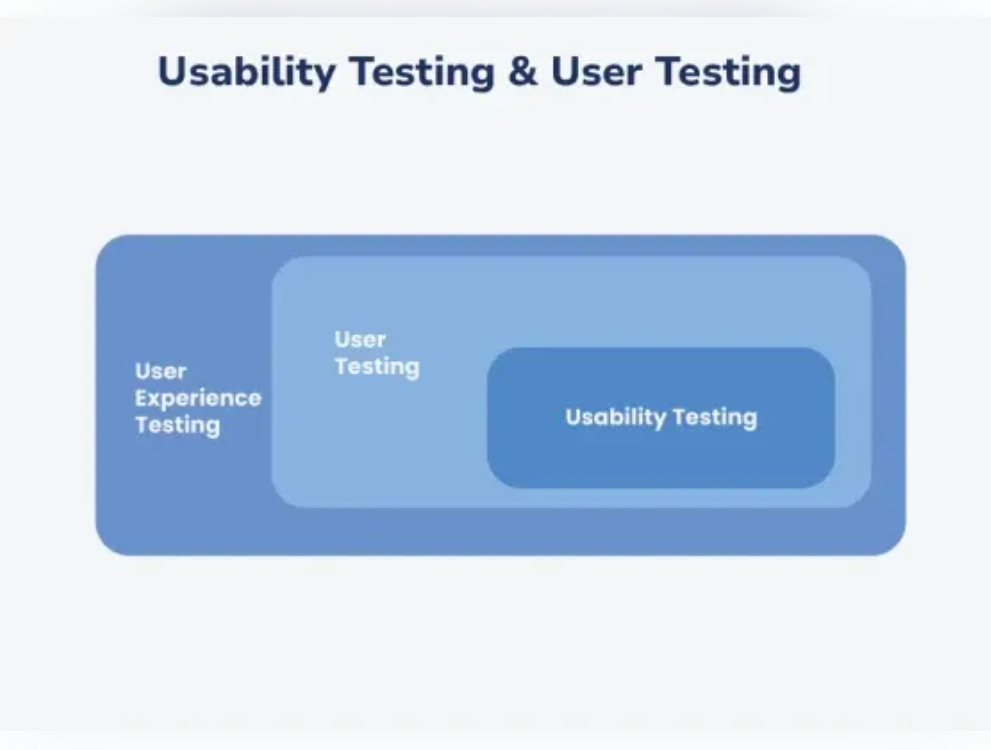
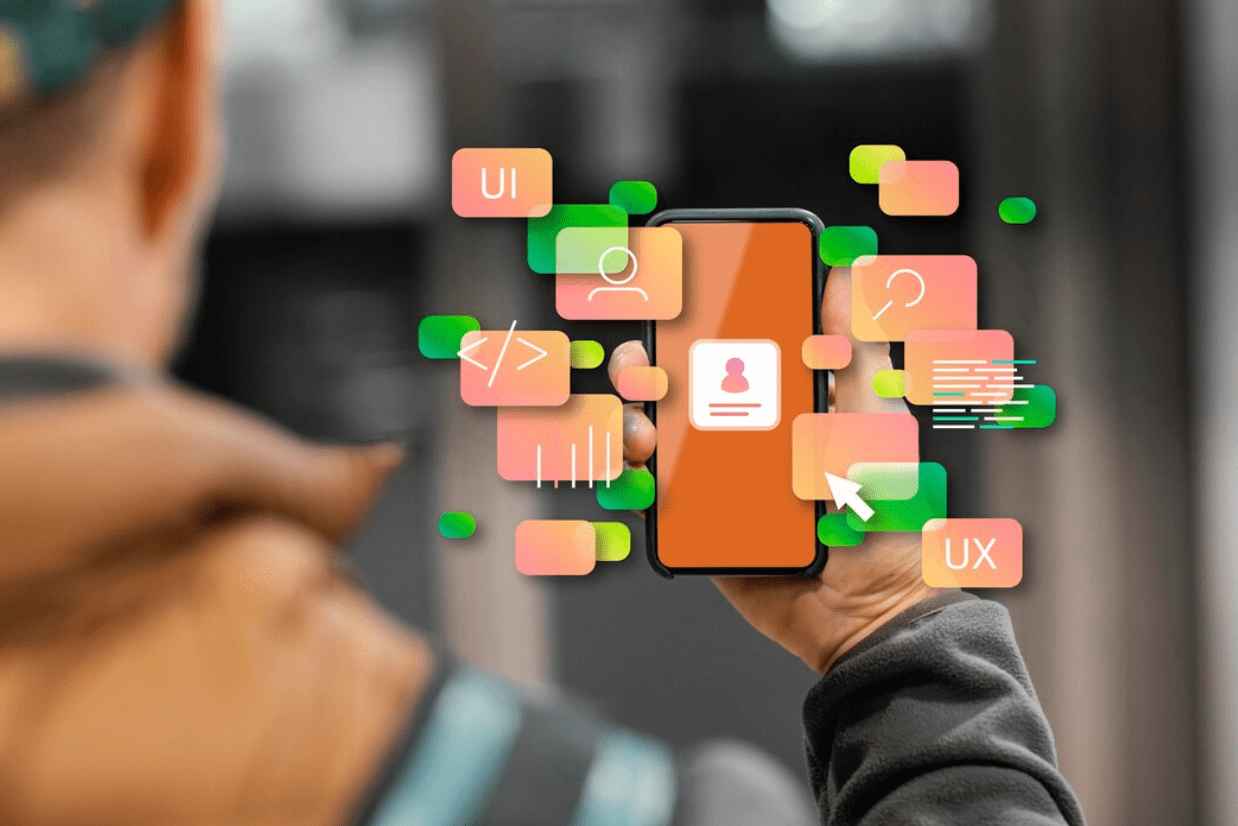
Usability and user experience (UX) often overlap, but they’re not identical. Software usability is a component of the broader software user experience design. Usability focuses on function—can the user achieve what they need to? UX looks at emotion—how does the process make them feel?
Imagine usability as the foundation and UX as the architecture above it. Without usability, your beautiful design collapses under frustration. Without UX, your usable software feels cold and transactional.
At SKM Group, we treat usability as the cornerstone of every user experience software development project. A product must first work before it can delight. When both coexist in harmony, you create software that feels invisible—because it simply works the way users expect.
Here’s a reality check: no matter how advanced your technology is, if it’s difficult to use, users will abandon it. That’s where software quality usability becomes a competitive weapon.
When software is easy to use, adoption happens naturally. Users don’t need extensive onboarding or training. They explore, experiment, and succeed without hesitation. This effortless engagement translates into measurable business outcomes: higher conversion rates, better retention, and stronger word-of-mouth growth.
But there’s a deeper layer—psychological ownership. When users understand your system intuitively, they feel empowered and invested. That emotional connection creates loyalty. In contrast, poor usability drives frustration and churn, no matter how good your backend architecture is.
You can’t improve what you don’t measure. The challenge with usability is that it’s both qualitative and quantitative.
Fortunately, several metrics can help you assess and track it effectively:
Each metric tells a story. Together, they create a data-backed picture of how usable your product truly is. At SKM Group, we integrate these KPIs directly into our usability testing software development process, so you see exactly where improvements yield the most value.
Streamline your internal operations through expert IT outsourcing.
Even teams with the best intentions often fall into common traps when designing for usability in software engineering. These pitfalls can sabotage the user experience before a single line of code is written.
One of the biggest mistakes is assuming you already know your users. When you skip user research, you build based on assumptions instead of insights. Another frequent issue is feature overload—adding more options without considering cognitive load. Simplicity almost always wins.
Designers also tend to prioritize aesthetics over function, believing a visually pleasing interface equals usability. But beauty without clarity is noise. Finally, teams often fail to test early enough, discovering usability issues only after launch—when fixing them becomes expensive and reputation-damaging.
Avoiding these pitfalls isn’t just about following best practices. It’s about adopting a usability-first culture—one that sees every click, scroll, and tap as an opportunity to create value.
Investing in user experience software development isn’t a luxury—it’s a strategy for sustainable growth. You’re not just improving your product’s interface; you’re strengthening the connection between your brand and your users. When users find your software effortless to navigate, they engage more deeply, stay longer, and trust your company’s expertise.
From a business perspective, usability is a measurable driver of ROI. Every second a user saves on a task reduces operational costs. Every friction point removed increases conversions. The compounding impact is immense: improved productivity for your clients, lower support ticket volume for your team, and faster onboarding for new customers.
At SKM Group, we’ve seen how usability directly impacts business outcomes. Companies that integrate software user experience design early in development reduce post-launch costs by up to 60%. Why? Because usability testing exposes flaws before they reach production. And when your users feel empowered, they become advocates, not just customers.
The short answer: always. But timing and consistency matter.
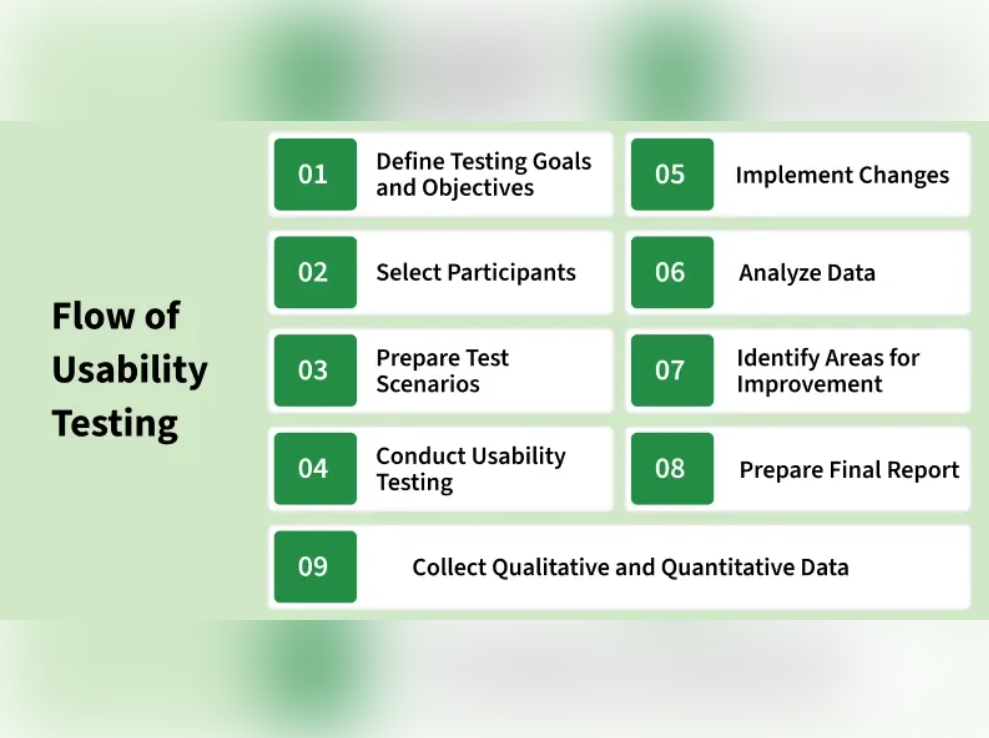
Usability testing software development should start at the earliest design stages—before a single pixel or line of code goes live. Early tests validate whether users understand the product’s structure, terminology, and core tasks. Later rounds of testing refine micro-interactions, performance, and emotional satisfaction.
In practice, testing at three key phases yields the best results:
By integrating usability testing into every sprint, you transform feedback into momentum. Your product evolves continuously, guided by the people who matter most—your users.
Building exceptional software user experience design requires structure, collaboration, and a relentless focus on data. It’s not just about creativity—it’s about process. When usability principles are integrated into every development layer, you turn your engineering process into a continuous cycle of learning and refinement.
Integrating User Research into Development Sprints
You can’t design for users if you don’t understand them. Integrating user research into your agile sprints ensures that design decisions are grounded in reality. Start by defining personas and mapping user journeys. Observe behaviors, not just preferences.
At SKM Group, we embed researchers directly into sprint teams. That way, insights flow instantly between designers and developers. This constant exchange turns subjective opinions into actionable data, shaping a product that aligns perfectly with user expectations.
Applying The Software Usability Measurement Inventory for Benchmarking
To ensure consistency, we often rely on The Software Usability Measurement Inventory (SUMI)—a standardized tool for benchmarking software quality usability. It quantifies user perceptions across dimensions like control, efficiency, helpfulness, and satisfaction.
Using SUMI allows you to compare different software versions objectively. It also highlights where small changes—like adjusting terminology or button placement—can yield significant usability gains. Over time, SUMI data becomes your performance baseline, ensuring each iteration of your product moves usability metrics upward.
Prototyping and Iterating Based on Usability Feedback
Prototyping transforms abstract ideas into tangible experiences. But the real magic happens when prototypes meet users. Every interaction uncovers insights—how users think, click, and feel. That feedback fuels iteration.
By creating interactive prototypes early, you minimize risk. You test concepts before they become expensive to change. With each usability session, you refine not just what your software does, but how it feels. It’s an iterative rhythm: test, learn, adapt, repeat. This agile refinement turns usability into a living process, not a one-time checklist.
Tools and Methods for Usability in Software Engineering
Building usability into software engineering requires the right mix of tools and methods. You don’t need an extensive toolkit—just effective ones.
At SKM Group, we combine quantitative and qualitative methods to cover the full usability spectrum:
When these tools feed directly into your development workflow, usability becomes part of your engineering DNA—not a side project.
Ensuring Usability in Software Architecture through Design Patterns
Usability doesn’t end at the interface. It begins deep in your system’s foundation—within your software architecture. Design patterns, when chosen wisely, enhance usability by ensuring consistency, predictability, and clarity across all modules.
For example, using a Model-View-Controller (MVC) pattern separates concerns cleanly, making it easier to manage visual updates without breaking logic. Similarly, event-driven architectures improve responsiveness, while modular structures simplify scalability and performance tuning.
By embedding usability in software architecture, you ensure that future development remains intuitive not just for end users—but for your engineering teams as well. The result is maintainable, extensible, and human-centered software.
Create impactful digital solutions with our custom software development.
Aligning Usability Goals with Business Objectives
Here’s where strategy meets empathy. To maximize ROI, usability goals must align directly with your business metrics. That means defining usability not as a design function, but as a growth driver.
At SKM Group, we help you translate usability improvements into tangible outcomes—like reduced churn, shorter sales cycles, or increased feature adoption. For example, streamlining a checkout flow may raise conversion rates by 20%. Simplifying onboarding could cut customer support calls in half.
When you tie usability KPIs to business KPIs, every usability improvement becomes a measurable victory. It’s no longer about how users feel—it’s about how those feelings drive business success.
Let’s ground this in reality. The most compelling usability in software engineering examples come from companies that made usability their north star.
Take Slack. Its simple onboarding, real-time feedback, and conversational design transformed a complex communication system into a household name. Or consider Figma—a design tool built on collaborative usability principles, empowering teams to create without friction.
Even productivity giants like Notion thrive because their software user experience design feels both flexible and predictable. Every interaction reinforces trust. These products share a secret: they treat usability not as a phase, but as a philosophy.
At SKM Group, we apply similar principles in our projects. Whether developing enterprise systems or consumer platforms, we focus on clarity, feedback, and accessibility—because these are the qualities that turn tools into trusted ecosystems.
Embedding usability in software quality means making it inseparable from your product’s DNA. You don’t “add” usability—you engineer it.
Here’s how to do it effectively:
By following these best practices, you elevate usability from a design conversation to an organizational competency. The result? Software that feels effortless—and business performance that feels unstoppable.
When you prioritize software usability, you prioritize your users. Every simplified process, every clear interaction, every intuitive button is a direct investment in user satisfaction—and in your business’s longevity.
Usability is not an art project. It’s a strategy rooted in empathy, engineering, and measurable outcomes. At SKM Group, we believe that successful products don’t just meet user needs—they anticipate them. They make technology disappear, leaving only experience behind.
So if you want your software to stand out in a crowded market, start with usability. Because when your software feels right, success follows naturally.

Learnability, efficiency, memorability, error tolerance, and satisfaction are the five core principles. Together, they define how effectively users interact with your system.
Traditional development focuses on functionality. User experience software development prioritizes how people interact with those functions—merging business logic with human behavior.
Ideally, at every stage—during design, pre-launch, and after release. Continuous testing ensures usability evolves alongside product growth.
By designing architecture with clarity and separation of concerns, usability in software architecture ensures easier maintenance, faster updates, and consistent user experiences.


In our team, Dominik Bigosiński is responsible for driving the growth of online businesses through the strategic use of content. As an expert in his field, he has collaborated with organizations from the US, UK, Norway, and Poland since 2018, contributing to the development of over 100 blogs and supporting more than 450 B2B and e-commerce brands worldwide. His passion for conscious personal growth and philosophy is reflected in his work, where he focuses on delivering thoughtful, audience-centered strategies that drive long-term results.
Transform your outdated system into a modern, high-performance tool. See our approach.
Discover moreStrategic insights into technology, software development, and digital growth

At SKM Group, we spend a lot of time talking with decision-makers who feel pressure to modernize simply because their systems are old. Age, however, is not a technical argument.

Modernizing a legacy system is never a purely technical exercise. It is a strategic decision that directly affects your revenue streams, operational resilience, compliance posture, and long-term ability to innovate.

Legacy modernization is not a technology project. It is a business survival initiative disguised as engineering work. At SKM Group, we see legacy transformation as a controlled dismantling of risk

Legacy software modernization is often presented as a straight path from technical limitation to digital freedom. In reality, it is one of the most complex transformation efforts an organization can undertake.
When your software is intuitive, seamless, and genuinely pleasant to use, adoption rises, support costs drop, and your brand reputation grows stronger with every click.

Managing software today isn’t just about having the right tools–it’s about using them efficiently, legally, and strategically. In an era where cloud subscriptions, SaaS models, and hybrid deployments dominate IT ecosystems.
You already know your data is your business’s lifeblood. But the way you store, manage, and access that data can either accelerate your growth or quietly hold you back.

Legacy software modernization is the structured process of updating, transforming, or replacing outdated software systems to meet modern business needs.

Legacy software isn’t just “old code.” It’s a critical part of your business that’s grown increasingly fragile with time. Often custom-built and once state-of-the-art, your legacy systems likely hold together years of operational knowledge.

Modern business runs on software. But if your operations are still leaning on decades-old systems, you're probably feeling the drag. At SKM Group, we’ve worked with countless companies

Legacy software modernization refers to the process of updating, improving, or completely transforming outdated software systems - often referred to as legacy software

Cloud migration refers to the movement of applications, data, and other business entities from on-premise to a cloud-based environment. It can occur in public, private, or hybrid clouds based on your specific business needs and technical requirements

If you're leading a business in the digital age, you've likely heard about legacy software modernization. But what does it truly mean, and why is it such a hot topic in the tech world today?
%20(1).avif)
Businesses often face a key problem: integrating legacy systems with modern technology to keep operations agile and secure. At SKM Group, we understand that legacy system integration is not just about adopting new solutions but also about prese


Comments