

Software Engineering and Design: Key Models and Standards

At SKM Group, we believe that truly successful software starts with a deep understanding of Software Engineering and Design—not just as a process, but as a discipline that brings structure, foresight, and clarity to digital product development. If you're aiming to create software that is scalable, sustainable, and aligned with your business goals, then this is where your journey begins.
Software Engineering is the application of systematic, disciplined, and measurable approaches to the design, development, and maintenance of software. It transforms abstract requirements into functional solutions. Software Design, meanwhile, is where logic meets creativity—where your solution takes shape before it ever takes form. These two components are not isolated. They are interconnected layers in a system, influencing each other every step of the way. By understanding both, you lay the foundation for making well-informed decisions that minimize risk and maximize performance.
You wouldn’t build a skyscraper without architectural codes—and the same logic applies to software. Software Engineering Standards are formal guidelines that define best practices in design, development, testing, and deployment. They exist to reduce ambiguity, encourage consistency, and enhance quality.
Standards act as a shared language between development teams and stakeholders. They’re critical when scaling operations or collaborating across global teams. But more importantly, they help you establish repeatability. Without these foundations, you're just guessing—and in software, guessing is expensive.
In modern engineering, Software Design Development is no longer just a technical step. It's a strategic one. Before a single line of code is written, design decisions will influence the entire product lifecycle—from usability and maintainability to performance and security.
A robust design outlines the system architecture, defines data flow, and details component interactions. It ensures that future changes won’t derail your project and that your product can evolve as your business grows. Design-first thinking helps reduce scope creep, avoid architectural debt, and align technical execution with business objectives.
Too many projects fail because design is rushed or neglected altogether. Don’t let yours be one of them.
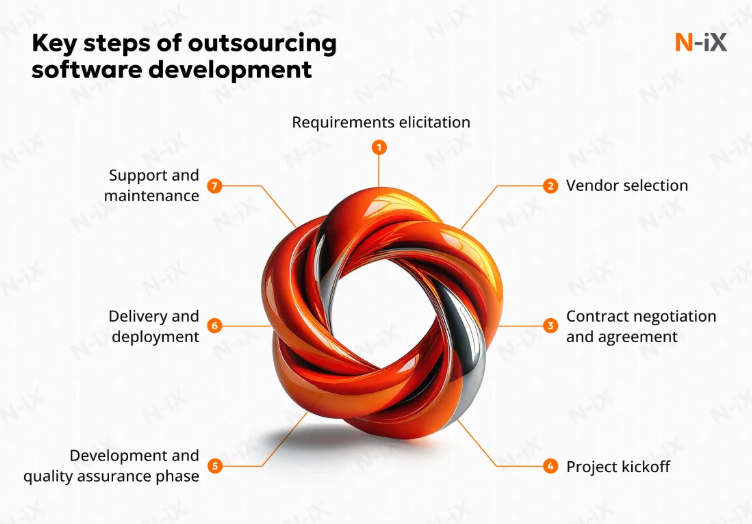
Your Software Delivery Methods dictate how fast you can ship, how often you can iterate, and how easily you can scale. But they also shape your design decisions at a foundational level.
If you’re working with a linear model like Waterfall, your design must be near-perfect from the start, since changing directions midstream is costly. On the other hand, Agile or DevOps models allow for evolving designs. That flexibility is powerful—but it still demands discipline.
The choice of delivery model will impact everything from database structure to UI scalability. There’s no one-size-fits-all answer here, only trade-offs. That’s why understanding these models is not optional. It's mandatory.
Development in Software Engineering isn’t just coding—it’s architecture, planning, validation, and iteration. It covers requirements analysis, system modeling, testing strategies, and deployment infrastructure.
The key is to think in systems. A successful software product is not just a collection of features—it’s an interconnected environment where every component affects another. The principles of encapsulation, modularity, and separation of concerns aren’t just academic—they’re essential.
You need to balance technical feasibility with real-world constraints, and that means looking beyond the IDE. Tools and frameworks are only as good as the logic behind them.
Move your business forward with strategic, end-to-end IT services from SKM Group: Explore our services.
You can’t manage what you can’t measure—and that’s where standards come into play in your Software Engineering Methodology. They introduce predictability, which is the currency of sustainable engineering.
Standardized processes help your team follow a common path. That’s crucial when you're working with multi-vendor environments or planning to scale. Without standards, methodologies become inconsistent, and inconsistent methods lead to unreliable software.
Adopting and internalizing standards like ISO/IEC or IEEE ensures that your projects are not only technically sound but also auditable, compliant, and ready for external validation. If you’re in a regulated industry or preparing for an enterprise rollout, that’s not a luxury. It’s a requirement.
Types of Software Engineering Models: A Comprehensive Overview
Different projects demand different paths to execution. Understanding the Types of Software Engineering Models allows you to choose the best route. Each model offers a unique set of advantages and trade-offs.
Some models are rigid, prioritizing structure and predictability. Others are adaptive, optimizing for speed and flexibility. Your project’s scope, complexity, risk profile, and timeline all play into this choice. The wrong model will sabotage progress. The right one will empower your team.
Waterfall Model: Sequential Software Development
The Waterfall model is the blueprint of classical engineering. It’s linear, phase-driven, and best suited for projects with clear, unchanging requirements.
You complete each stage—requirements, design, implementation, testing, deployment, and maintenance—in a strict sequence. There’s little room for revision, so thorough planning is critical.
While modern teams often lean toward Agile, Waterfall still has its place, especially in government contracts or infrastructure-based software where specifications are set in stone. It provides a high degree of documentation and traceability—assets you can’t ignore in risk-averse industries.
Agile Models: Flexibility in Engineering Methodologies
Agile turned software development on its head. Instead of building in silence and launching big, you build iteratively and launch often. Agile embraces change. That’s why it's a top choice for fast-moving startups and innovation-driven teams.
With Agile, you're developing in sprints—short, focused bursts of work with defined goals and quick feedback loops. This reduces risk, enables rapid iteration, and keeps development aligned with evolving business needs.
But make no mistake—Agile is not chaos. It requires rigor, transparency, and disciplined backlog management. And it thrives only in environments where collaboration is a priority.
Spiral Model: Balancing Risk and Iteration
The Spiral model is the thinking executive’s answer to uncertainty. It combines iterative development with a strong focus on risk analysis. Each spiral represents a phase of refinement—plan, evaluate risks, engineer, review.
This model is especially useful in large-scale, high-risk projects such as embedded systems or financial software. You’re not just coding—you’re calculating exposure, validating assumptions, and adapting architecture with every cycle.
If risk is your biggest unknown, the Spiral model is your best insurance policy.
V-Model: Verification and Validation at Every Step
Think of the V-Model as Waterfall’s smarter sibling. For every development phase, there’s a corresponding testing phase. Requirements are verified through acceptance tests; architecture through integration tests; implementation through unit tests.
This model ensures that you never go too far without checking your assumptions. It's especially valuable in safety-critical domains like aviation or healthcare, where errors aren’t just expensive—they’re unacceptable.
The V-Model demands discipline, but it pays off in long-term reliability. You’re not just building software—you’re engineering trust.
What is Software Engineering Methodology?
A Software Engineering Methodology is more than a framework—it’s a philosophy of how to approach complexity with control. It combines techniques, tools, and procedures into a coherent, repeatable structure for building and maintaining software systems.
Think of it as the scaffolding that holds your team’s work together. It clarifies roles, defines workflows, and sets expectations. Methodologies reduce chaos and increase transparency. Without one, your software project becomes vulnerable to scope creep, missed deadlines, and misaligned goals.
Choosing the Right Engineering Methodologies for Projects
Not all Engineering Methodologies are created equal. Selecting the right one requires clarity on your constraints, team maturity, and business objectives. You need to match methodology to mission.
The wrong choice will force your team to work against the grain. The right one turns process into progress.
As your software scales, so must your methodology. A five-person MVP team doesn’t need the same rigor as a cross-functional enterprise squad. Methodologies must grow with your needs—or you risk breaking under your own weight.
You might start with Scrum for speed, then layer in DevOps for automation, and finally bring in CMMI practices for governance. Evolution is not optional; it’s strategic. Methodologies aren’t static playbooks—they’re dynamic systems that require tuning over time.
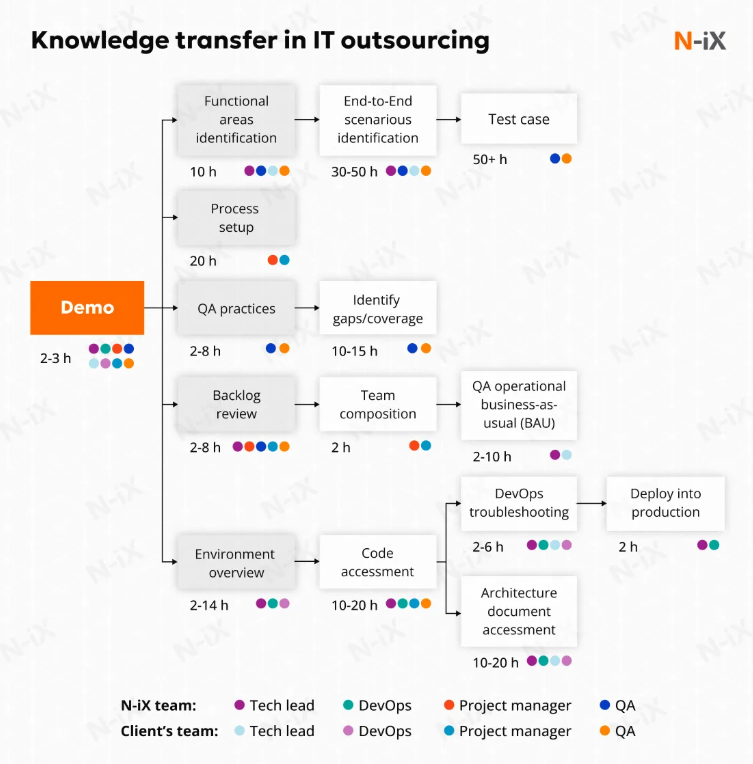
Execution without design is reckless. Design without execution is irrelevant. Methodologies help you balance both forces. They ensure that architecture is not just thoughtful but also actionable. That user flows aren’t just elegant, but buildable.
You can’t afford to swing too far in either direction. Solid methodologies build feedback loops between planners and doers, architects and developers. That’s where real agility is born—not from speed alone, but from synchronization.
At SKM Group, we’ve guided clients through methodology transformations that delivered measurable impact.
One client in fintech transitioned from chaotic, spreadsheet-led development to a structured Scrum approach—cutting release time by 40%. Another, in medtech, integrated the V-Model with ISO compliance, reducing regulatory rework by 60%.
These aren't just anecdotes. They’re proof that when methodology aligns with mission, software becomes a strategic asset—not a liability.
What Are Software Engineering Standards?
Software Engineering Standards are the blueprint for professional-grade software. They govern everything from documentation to coding conventions, from test coverage to deployment security.
Without standards, teams rely on tribal knowledge. That might work with two developers—but not with twenty. Standards are what let software scale—not just in code, but in quality, consistency, and trust.
ISO Standards for Software Design and Development
ISO standards—like ISO/IEC 12207 for software lifecycle processes or ISO 25010 for software quality—offer globally recognized benchmarks for Software Design Development. These aren’t just certifications. They’re safeguards. They ensure that your software isn’t just functioning—it’s maintainable, secure, usable, and scalable. Compliance with ISO reduces risk, improves process maturity, and enhances trust with enterprise clients and regulatory bodies.
CMMI (Capability Maturity Model Integration) in Engineering
CMMI is the gold standard for assessing organizational maturity in Development in Software Engineering. It provides a structured path from ad-hoc chaos to measured, optimized engineering.
From Level 1 (Initial) to Level 5 (Optimizing), CMMI helps you benchmark where you are—and more importantly, where you need to be. For large-scale or mission-critical systems, CMMI isn’t a nice-to-have. It’s the foundation of operational excellence.
IEEE Standards for Software Engineering Practices
The IEEE standards focus on technical rigor. They include IEEE 830 for requirements specs, IEEE 1016 for design documentation, and IEEE 829 for testing. These standards bring engineering discipline into software development.
They also bridge the gap between academic theory and real-world application. When you need your product to meet global benchmarks—not just functional ones—IEEE is your North Star.
Best Practices for Compliance with Software Engineering Standards
Standards can feel overwhelming—unless you embed them into your culture.
At SKM Group, we recommend:
Compliance isn’t the enemy of creativity. It’s what allows it to scale.
Importance of Design in Software Engineering
A product without solid design is like a house with a weak foundation. Design defines the structure, the rules, and the boundaries within which your application operates. Software Design Development is where strategic thinking translates into architectural blueprints.
If you want a product that adapts, evolves, and performs—design is where you start.
Principles of Scalable and Maintainable Software Design
Good design doesn’t just work today—it survives tomorrow. Key principles include modularity, loose coupling, high cohesion, and clear separation of concerns. These make systems easier to test, debug, and scale.
Maintainability is a cost-saver, not a luxury. Design it once. Maintain it for years.
Focus on growth while SKM Group takes care of your IT infrastructure and support: Learn more about IT outsourcing.
Impact of User-Centered Design in Software Engineering
Design isn't just for developers—it’s for users. User-Centered Design (UCD) brings human factors into the engineering process. It ensures that interfaces are intuitive, flows are natural, and goals are achievable.
You don’t need to choose between usability and engineering quality. The best products excel at both.
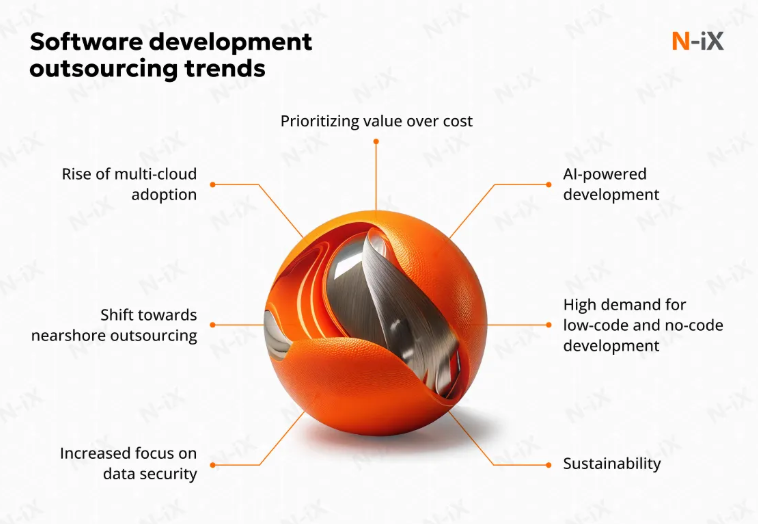
Architectural Patterns in Software Design Development
Choosing the right pattern sets the tone for your entire codebase. Whether it’s MVC for web apps, microservices for distributed systems, or event-driven design for real-time platforms—architectural choices define the product’s agility and longevity.
Patterns aren’t rules. They’re tools. Use them wisely.
Design Tools and Frameworks for Modern Engineering Projects
Modern design requires modern tooling. At SKM Group, we often leverage tools like UML for modeling, Figma for interface design, and frameworks like React, Vue, or Angular for scalable frontend architecture.
Tools change. Principles don’t. Choose tools that align with your process, not just your team’s preferences.
Waterfall vs. Agile Delivery Models
Software Delivery Methods shape how your product is built, delivered, and refined. Waterfall and Agile sit at opposite ends of the spectrum.
Waterfall delivery is linear. You complete one phase before the next begins. It’s predictable but rigid—ideal for projects with fixed scope and low tolerance for change.
Agile delivery is iterative. You deliver in small, functional units, gather feedback, and adapt. It enables rapid pivots and continuous improvement but demands strong team communication and active stakeholder involvement.
The choice between these models impacts everything—from design scope to testing cycles to stakeholder expectations. Pick the wrong one, and you're fighting the process instead of using it.
CI/CD Pipelines in Modern Software Delivery
Today’s development cycles require speed without sacrificing quality. Enter CI/CD pipelines—Continuous Integration and Continuous Delivery. These practices automate the process of building, testing, and deploying code.
With CI/CD:
CI/CD isn’t a trend—it’s the backbone of resilient, scalable engineering teams.
Incremental Delivery Methods in Engineering
Incremental delivery breaks large projects into smaller, testable pieces. Each increment delivers a usable product slice. You learn fast, validate assumptions early, and reduce overall risk.
It’s especially effective when paired with Agile or DevOps models. Instead of aiming for perfection months from now, you focus on consistent progress and real-time learning.
Hybrid Delivery Models: Combining Speed and Quality
Sometimes, your project demands structure—but also speed. That’s where Hybrid Delivery Models come into play. These models blend traditional Waterfall planning with Agile execution.
You might use Waterfall for initial architecture and compliance, then shift into Agile sprints for feature development. It’s not about loyalty to one model—it’s about aligning methods to your project’s DNA.
How Delivery Methods Shape Software Design Choices
Delivery methods aren't just about process—they shape design itself. In Waterfall, your design must be locked early. In Agile, it must evolve. CI/CD pipelines require modular, testable components. Incremental delivery favors loosely coupled services.
This is why we guide clients through both engineering and delivery decisions at the same time. Design and delivery are two sides of the same strategy coin.
Managing Complexity in Software Engineering Models
Complexity is inevitable. But chaos is not. Without a clear model, complexity compounds, leading to misaligned teams, bloated code, and mounting technical debt.
We combat this by enforcing strict modularization, clean interfaces, and robust documentation. Simplicity is not a lack of features—it’s clarity in execution.
Ensuring Compliance with Software Engineering Standards
Compliance isn’t just for audits—it’s for accountability. Whether you're working under ISO, IEEE, or industry-specific frameworks, standards provide guardrails for quality and consistency.
The solution lies in automation and training. Build compliance into your pipelines. Audit regularly. Empower teams to understand—not just follow—the rules.
Get custom-built software that fits your business like a glove—only with SKM Group: Discover custom software development.
Balancing Speed and Quality in Software Design Development
Everyone wants it fast. But if it breaks, nobody cares how fast it was built. The tension between speed and quality is real—but solvable.
You achieve balance by designing for testability, automating repeatable processes, and defining a "definition of done" that doesn’t compromise long-term maintainability.
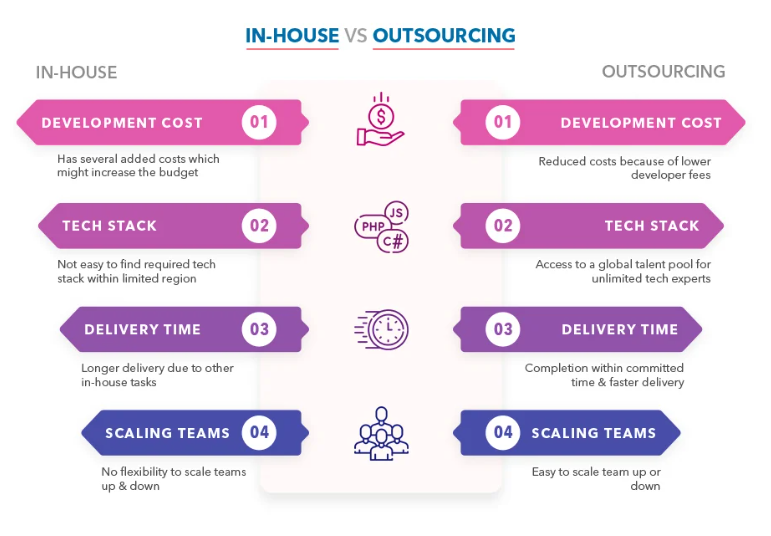
Adapting to Changing Requirements Mid-Project
Requirements change. Stakeholders pivot. Market realities shift. Instead of resisting, your process should embrace controlled flexibility.
This is where Agile models, user stories, and incremental delivery shine. They let you adapt without derailing. Change doesn’t have to mean chaos—if your model can absorb it.
Overcoming Team Coordination Issues in Complex Projects
Multiple teams. Distributed locations. Cross-functional roles. The coordination challenge is real.
We address this with:
Adoption of AI in Software Design Development
AI is reshaping how software is planned, built, and maintained. From auto-generating code snippets to forecasting system bottlenecks, AI is becoming a collaborator—not just a tool.
In Software Design Development, AI assists with pattern recognition, user behavior analysis, and even automated testing. The future isn’t AI versus engineers—it’s AI with engineers.
Focus on Sustainability in Engineering Methodologies
Sustainability isn’t just environmental. In software, it’s about creating systems that are easy to maintain, cost-effective to run, and resistant to obsolescence.
Expect a rise in energy-efficient code, minimalist architectures, and practices that reduce waste—in development time, server usage, and cognitive load.
The Role of Automation in Delivery Methods
Automation is no longer a bonus—it’s a baseline. Infrastructure as code, test automation, and deployment pipelines are becoming standard across modern Software Delivery Methods.
It boosts reliability, speeds up delivery, and reduces human error. If you’re not automating, you’re falling behind.
Expanding Use of Microservices in Software Architecture
Monoliths are fading. Microservices—small, independently deployable components—are the new default for scalable software.
They allow different teams to innovate without breaking the entire system. But they require mature DevOps, clear APIs, and careful orchestration. Done right, they unlock agility at scale.
Hybrid Models Combining Traditional and Agile Approaches
The future is flexible. Hybrid methodologies that blend the rigor of traditional models with the adaptability of Agile are gaining ground.
They allow businesses to stay compliant without sacrificing innovation. To maintain governance without blocking velocity. This is where enterprise meets startup thinking—and it’s where you should be heading.
Engineering isn’t just about building systems. It’s about building confidence—confidence that what you launch will work, scale, and endure.
At SKM Group, we don’t chase trends. We implement proven frameworks, tailored to your business needs. By combining the right Software Engineering Standards, the right Engineering Methodologies, and modern Software Delivery Methods, we help you design and build not just software—but solutions with staying power.
Your software should be as resilient as your business strategy. With the right partner, it will be.

Software engineering is the disciplined application of engineering principles to software development. It ensures that systems are reliable, scalable, maintainable, and efficient. Engineers use formal processes to plan, design, implement, and validate software products. This structured approach minimizes errors and improves quality assurance. As technology becomes more complex, software engineering provides the foundation for sustainable innovation.
Common design models include the Waterfall, Spiral, V-Model, and Agile frameworks. Each defines how teams transition from requirements to deployment. For example, the Spiral Model emphasizes risk management through repeated cycles, while the V-Model ensures thorough testing at every stage. Agile prioritizes flexibility and user feedback. Selecting the right model depends on project requirements and organizational maturity.
Good software design emphasizes modularity, scalability, maintainability, and reusability. Systems should be easy to update and extend without major rewrites. Clear architecture separates concerns and simplifies debugging. Aesthetics also matter—clean, intuitive interfaces enhance user experience. Following established design principles results in efficient, future-proof software.
Standards such as ISO/IEC 25010, ISO 9001, and IEEE 12207 define best practices for quality, lifecycle processes, and documentation. These standards ensure consistency, interoperability, and compliance across industries. They also provide frameworks for assessing software performance and reliability. Certification helps organizations demonstrate credibility to clients and regulators. Adhering to standards builds trust and long-term sustainability.
Design patterns are proven solutions to recurring problems in software architecture. Examples include Singleton, Observer, and Factory patterns. They promote code reuse, consistency, and maintainability. By applying established patterns, developers avoid reinventing solutions. This approach speeds up development and enhances overall code quality.
Documentation captures system requirements, architecture, and design decisions for future reference. It ensures knowledge transfer between team members and simplifies maintenance. Well-documented systems are easier to troubleshoot and scale. Lack of documentation, however, leads to confusion and dependency on specific individuals. Clear and up-to-date documentation is a hallmark of professional engineering.
Quality assurance combines automated testing, peer code reviews, and continuous integration practices. Engineers use test-driven development (TDD) and static analysis tools to detect issues early. Regular audits verify compliance with coding and security standards. Metrics like defect density and code coverage measure progress objectively. Quality assurance is not a final step—it’s a continuous discipline embedded in every phase.


In our team, Dominik Bigosiński is responsible for driving the growth of online businesses through the strategic use of content. As an expert in his field, he has collaborated with organizations from the US, UK, Norway, and Poland since 2018, contributing to the development of over 100 blogs and supporting more than 450 B2B and e-commerce brands worldwide. His passion for conscious personal growth and philosophy is reflected in his work, where he focuses on delivering thoughtful, audience-centered strategies that drive long-term results.
Need tailor-made software? We build scalable, secure solutions from scratch.
Discover moreStrategic insights into technology, software development, and digital growth

Modern engineering teams are under constant pressure. They are expected to deliver faster, maintain reliable systems, operate in secure cloud environments, and achieve predictable outcomes.

Business application development is not only about writing code. It is about making the right decisions before code becomes expensive. At SKM Group, we use product roadmapping to help you turn business goals, system limits, user needs, and technology

When you invest in software, you do not pay only for features. You pay for every future change, every bug fix, every deployment, every security update, and every hour your team spends understanding the system.

When you invest in software, you are making a long-term decision that goes far beyond the initial release. The real challenge begins when your system needs to evolve—when new features are added, integrations are expanded, and existing components must
.jpg)
Poor data architecture does not always break your business systems at once. More often, it creates quiet damage: inconsistent reports, duplicated records, unclear KPIs, and decisions based on numbers nobody fully trusts.
.jpg)
Software complexity rarely appears overnight. It grows quietly with every shortcut, integration, legacy module, and undocumented business rule. At SKM Group, we see how this hidden technical weight can turn even a strong product roadmap into a slow

Your company may have many good tools. But good tools do not guarantee good communication. When business systems stop sharing data clearly, everyday work becomes slower, riskier, and harder to manage.

Every business-critical system has a second life after deployment. That life is shaped by updates, fixes, monitoring, documentation, and technical decisions that are easy to postpone.

At first, manual workflows, disconnected systems, and spreadsheets may seem manageable. But when your company begins serving more customers, processing more data, and managing more complexity, operational inefficiencies become impossible to ignore.
Modern enterprises need more than generic software subscriptions. As operations grow more complex, companies require digital infrastructure that supports automation, scalability, cybersecurity, advanced integrations, and real-time operational visibil

Modern automotive performance is no longer built only in the garage. It is built in software. Today’s vehicles rely on complex ECUs, communication protocols, telemetry systems, and real-time diagnostics that require far more than traditional mechanic

Modern companies no longer struggle with a lack of software. They struggle with too many disconnected tools, fragmented workflows, and operational processes that were never designed to work together efficiently.

If you are making decisions about modern software delivery, you will inevitably ask yourself: what is azure DevOps and why does it matter for your business? At SKM Group, we see it not as a tool, but as a structured ecosystem that connects.
.jpg)
When you invest in custom software, you are not just buying code—you are buying speed, reliability, and confidence. At SKM Group, we rely on DevOps tools as the backbone of that promise.

When you ask what is DevOps engineer, you are really asking about one of the most critical roles in modern software delivery. At SKM Group, we see a DevOps engineer not as a single function, but as a connector of systems, teams, and outcomes.
At SKM Group, you don’t just buy software—you invest in a process that determines whether your product succeeds or quietly fails in the background. One of the most transformative approaches shaping modern software delivery is DevOps.
You have heard the promise. Faster systems. Lower costs. Infinite scale. The cloud as a cure for every architectural weakness accumulated over twenty years of digital growth. And yet, from our experience at SKM Group, we have seen the opposite happen
At SKM Group, we meet organizations every week that still rely on infrastructure designed fifteen or twenty years ago. It runs. It supports operations. It feels stable. But beneath that surface, the architecture quietly expands your cybersecurity exp

Legacy systems rarely fail loudly. They age quietly. They grow around your organization like concrete poured decades ago – solid, load-bearing, but rigid. When documentation disappears, original developers leave, and integration requirements multiply
If you are responsible for technology decisions in your organization, you have probably heard both terms used almost interchangeably. Technical debt. Legacy systems. Obsolete platforms.

When you hear lean software development meaning, you should not think about a trendy buzzword. You should think about engineering discipline designed to remove friction from value delivery.

When you invest in software, you are not just buying code. You are buying speed, predictability, flexibility, and the ability to react to market change. At SKM Group, we see software as a living system, not a finished product frozen in time.

At SKM Group, we often see decision-makers pause at one deceptively simple question: what is a software development kit, and why does it matter so much to the success, cost, and scalability of your digital product?

From the perspective of SKM Group, when you ask what a mobile apps application really is, you are not asking a marketing question. You are asking an engineering question with direct business consequences.
At SKM Group, we see software resilience as the living backbone of modern digital ecosystems. It is the capability of your systems to absorb shocks, maintain essential functions, and recover faster than your business stakeholders expect.
As SKM Group, we often see that companies underestimate how deeply software dependency structures shape the long-term health of their digital products. You might assume dependencies “just work in the background,”
As SKM Group, we see every day how leaders like you face a rising paradox: you’re expected to innovate faster than ever, yet every new system you adopt must now prove its financial value with absolute clarity.

Technology doesn’t wait. Neither should you. Every software environment that powers your operations today will either evolve—or become obsolete. That’s the simple reality of digital transformation.

You’ve probably heard it before – “Customer is king.” But in 2025, that phrase isn’t just a cliché. It’s the operational truth that defines which businesses thrive and which fade into the noise.
Every industry, from manufacturing to finance, now depends on intelligent software products that enhance performance, streamline workflows, and enable long-term scalability.

When you think about the cloud, you probably imagine endless virtual servers humming somewhere in the background, waiting to process your business logic. But here’s the thing—you no longer have to.
Digital transformation isn’t a buzzword anymore—it’s your reality. You already know that running your business on outdated systems slows down growth, frustrates employees, and makes customers leave for competitors who can deliver faster.

When you sit down to plan your next digital product, one of the first questions that arises is: which app development frameworks will actually get you there?
The digital race is not about speed alone—it’s about precision, resilience, and the ability to deliver value faster than your competitors. As decision-makers in technology, you know the stakes are high.
.jpg)
When you build software, you’re not just creating a product—you’re making a promise. A promise that it will work as intended, delight its users, and deliver measurable value. But promises in software are fragile.
You’ve seen the term software scalability meaning pop up everywhere lately. But what does it really mean for your business—not just for developers? At SKM Group, we define scalability.
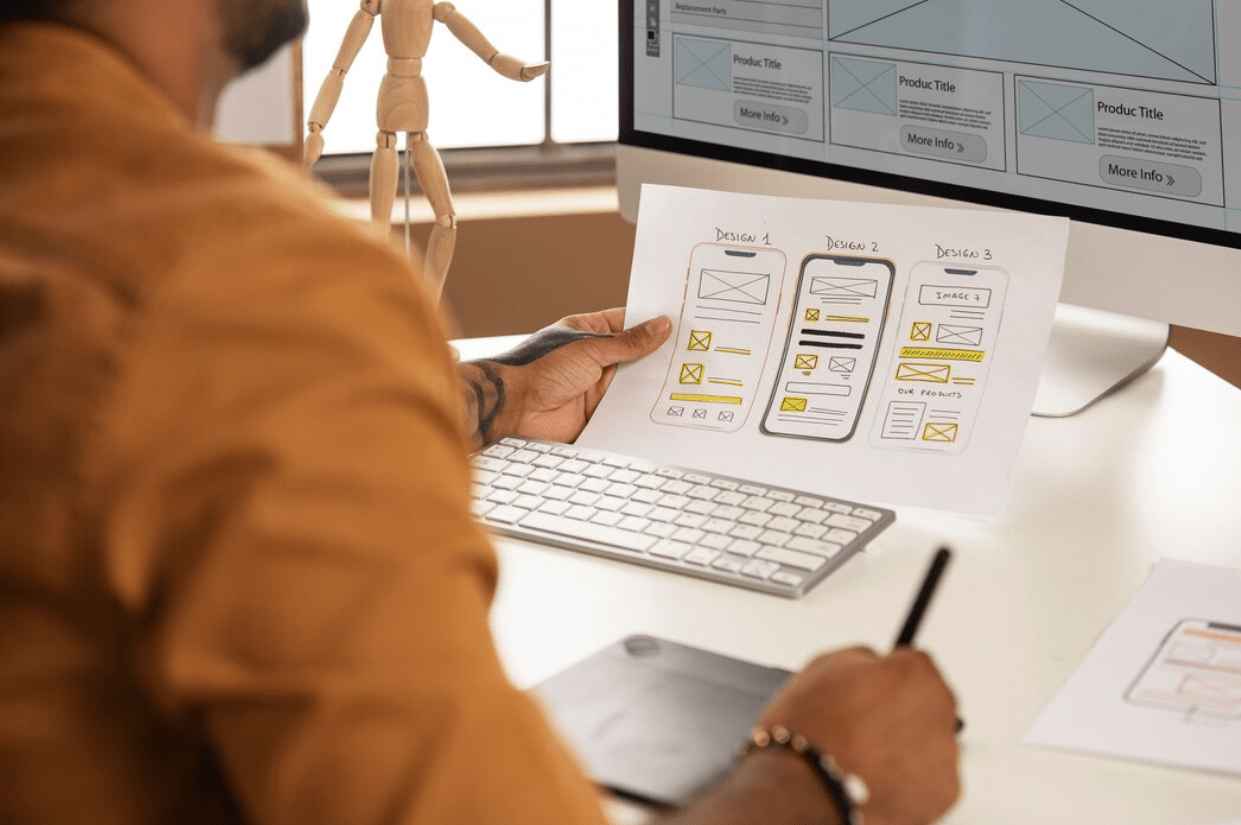
You know your business. You know your customers. But in today’s digital-first market, knowing isn’t enough – acting fast, adapting to trends, and delivering personalized experiences is what separates market leaders from followers

If you’re searching for ways to streamline complex builds or accelerate your software roadmap, specialized outsourcing is a smart direction. By leveraging Application Development Outsourcing or SaaS Development Outsourcing, you gain rapid access.

Your business runs on technology, whether you notice it daily or not. Choosing the right IT services shapes everything from operational resilience to your capacity for innovation.

If you're leading a business today, you're likely balancing innovation with efficiency, speed with precision, and growth with risk. That’s where specialized software outsourcing services step in — not just as a cost-saving tool, but as a strategic.

Software development processes best practices aren't just buzzwords—they are critical frameworks that shape how successful products come to life. As someone making decisions about technology investments
At SKM Group, we believe that truly successful software starts with a deep understanding of Software Engineering and Design—not just as a process, but as a discipline that brings structure
.jpg)
At SKM Group, we believe clarity is the cornerstone of successful software delivery. If you're navigating digital transformation or evaluating software partners, understanding what is software development methodology

For decision-makers managing IT outsourcing or legacy modernization, choosing between Agile and Waterfall is a financial and strategic decision. This guide explores how iterative implementation minimizes risk and accelerates ROI in distributed teams.

The ability to build a high-performance outsourcing development team can dramatically accelerate product delivery while reducing operational overhead. But to do it right, you need more than just a vendor

Offshore outsourcing software development has evolved from a cost-saving tactic into a strategic pillar for tech-driven organizations. When executed properly, it empowers you to scale faster, access niche expertise, and accelerate time-to-market with

Technology is the backbone of modern business. Whether you're a startup or an enterprise, your IT infrastructure determines how efficiently you operate, how well you serve customers, and how secure your data remains. Choosing the right IT service pro

The software development process is a structured approach to creating software, ensuring efficiency, quality, and alignment with user needs. It encompasses a series of stages, from gathering requirements to maintaining the final product.

Choosing the right business software development partner is one of the crucial decisions that might shape your company's future. With so many choices for enterprise software development companies, how will you go about making the right choice?

Choosing the right partner for your software project is a critical decision. Should you hire an individual custom software developer or collaborate with a full-fledged software development company?

Customized software solutions are the answer for companies that want to streamline operations, optimize workflows, and stay ahead. Here at SKM Group, we understand your need for tailored solutions that align with your unique goals.

Investing in custom software development can feel like navigating uncharted waters. As a decision-maker, you might wonder how custom software development costs against off-the-shelf alternatives, or whether it’s worth pursuing.
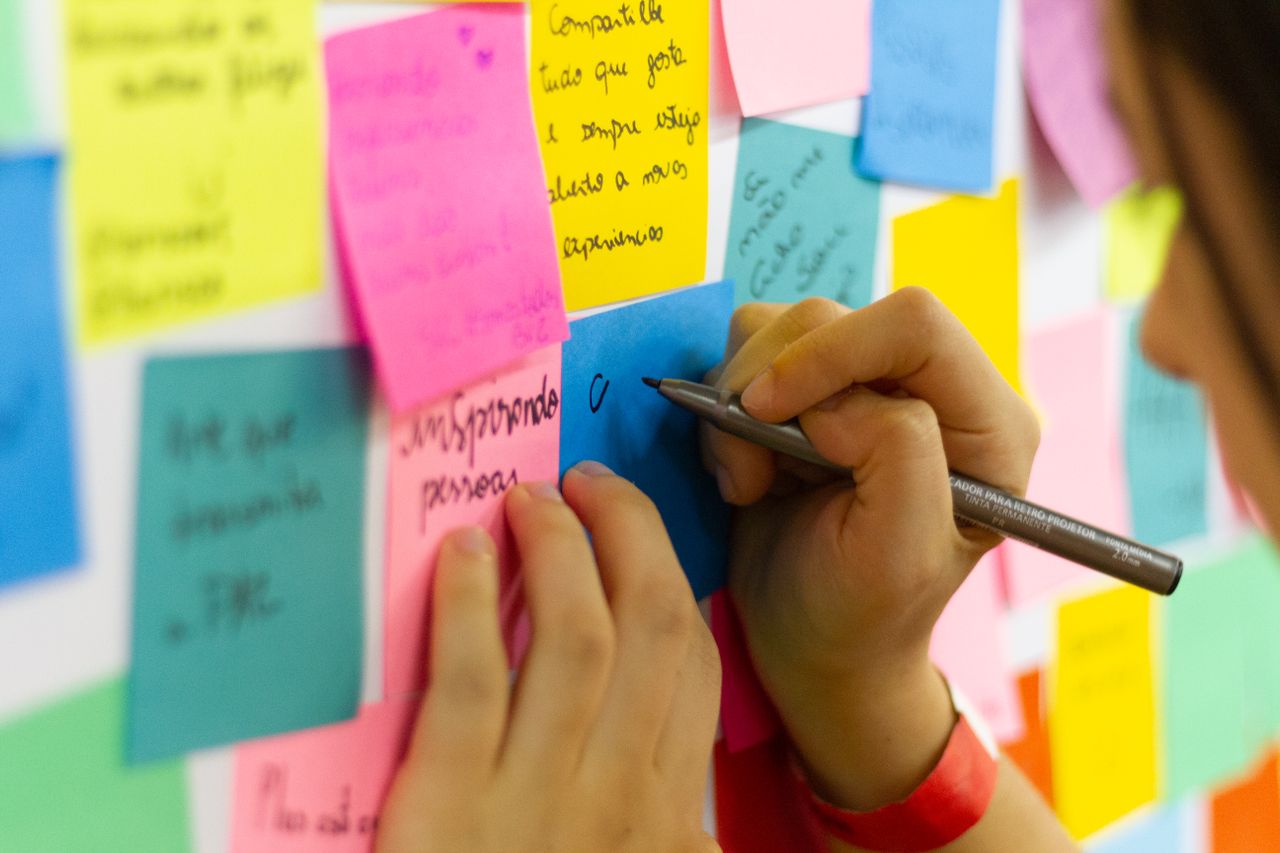
IT projects often run over budget or take too long. Agile changes that by delivering value quickly, adapting to evolving needs, and giving leaders control over costs and ROI, helping businesses stay competitive and responsive.

When embarking on a new software project, you're faced with a crucial question: will this idea work? You don’t want to spend months on development only to discover that a critical assumption was wrong.

If you've ever wondered how to create an app, you're not alone. Many businesses are seeking ways to expand their digital footprint, and a dedicated app can be a powerful tool to achieve just that.

Creating a mobile application is complex, and understanding the development cost is crucial for any business aiming to launch a successful app. With costs influenced by numerous variables, knowing what affects your budget and where your money goes

Having a clear, structured approach is essential. Whether you're diving into your first project or overseeing a complex, custom build, the journey can feel overwhelming.

Understanding what is a software life cycle is crucial. The term encapsulates every phase a software product goes through, from inception to retirement. At SKM Group, when you understand this life cycle deeply.

Encountering technical problems is inevitable in our tech-driven lives. This article outlines basic steps to troubleshoot common issues like internet connectivity, software bugs, and peripheral device problems.

Comments